Rank[01]
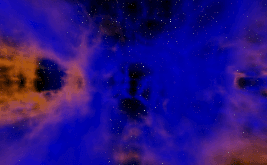
Nebula Forge — Free Browser Nebula Generator
Explore procedural nebula backgrounds in your browser and save a PNG. Free, no signup.
Read the analysis →Choosing the right tools & extensions tool can save you hours of development time. We've ranked and reviewed the top options available for WebGL and 3D web developers today.
Ranked tools & extensions
The ranking below is editorial. What moves a tool up it is not popularity but whether it is still maintained against current Three.js releases, what it costs in bundle size and runtime, and whether it composes with the rest of a project rather than taking it over.
Three.js ships roughly monthly, so a library that has not been touched in a year is a liability however good the API looks. Each entry links to its full page with the licence, the maintenance status and what it is actually used for in production.
Explore procedural nebula backgrounds in your browser and save a PNG. Free, no signup.
Read the analysis →
Batch GLB inventory and handoff reports with file, geometry, image and material checks.
Read the analysis →
Free fantasy game-asset budget planner for focused 3D environment production.
Read the analysis →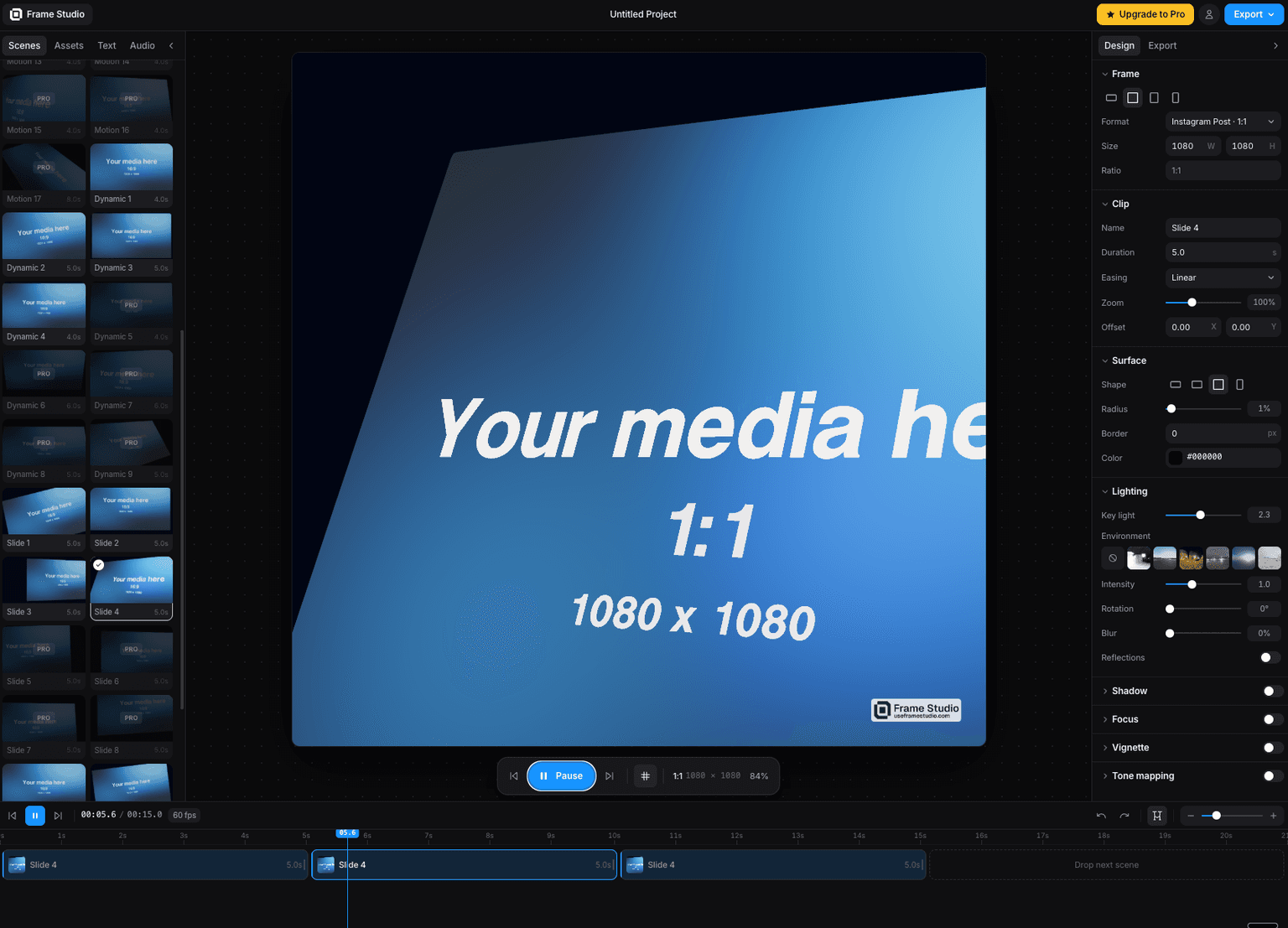
Turn a screenshot into a cinematic motion video in your browser camera moves, HDR lighting, and 4K export via WebGPU. No install, no keyframes.
Read the analysis →

> A local-first visual particle editor and MIT-licensed runtime for building production VFX in Three.js and PixiJS web games.
Read the analysis →
Free browser tool that turns still images into wobbly GIFs and videos—no uploads.
Read the analysis →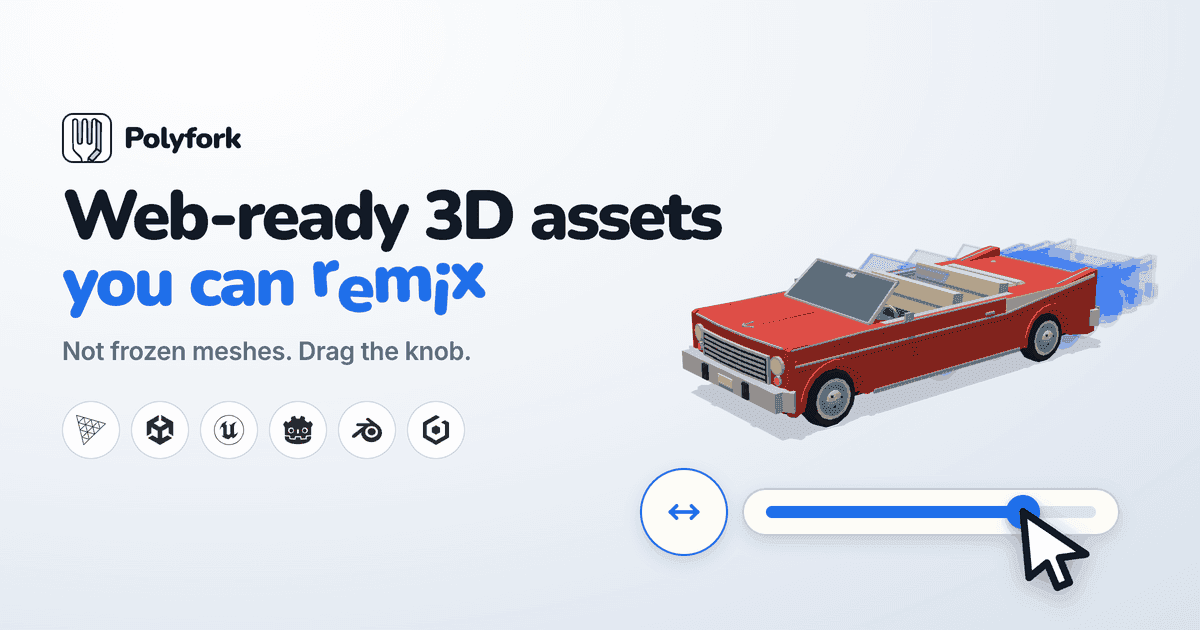
Polyfork.dev provides web-ready low-poly 3D assets that arrive as editable code rather than frozen meshes.
Read the analysis →
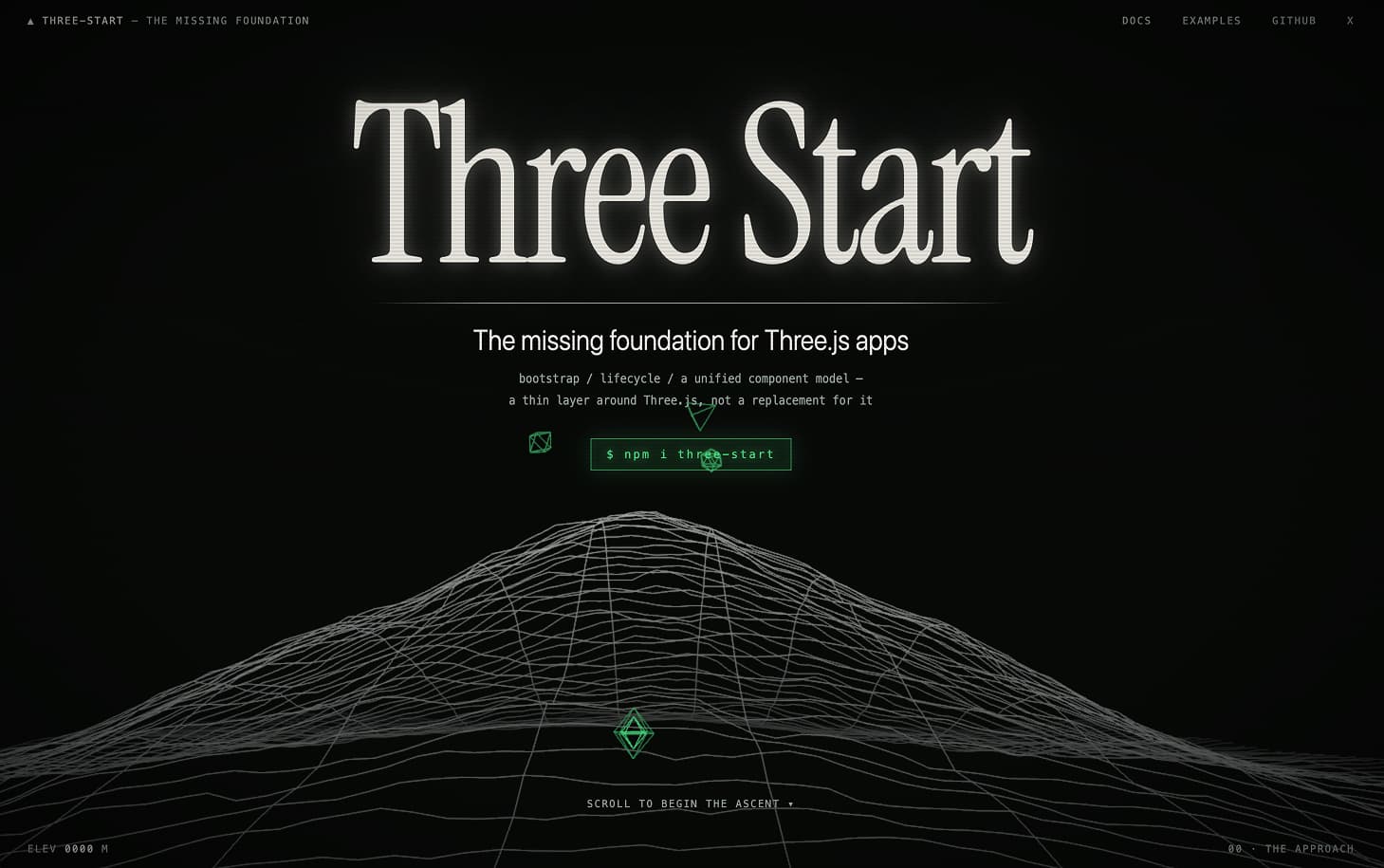
The missing foundation for Three.js app - bootstrap / lifecycle / a unified component model - thin layer, not a replacement for Three.js
Read the analysis →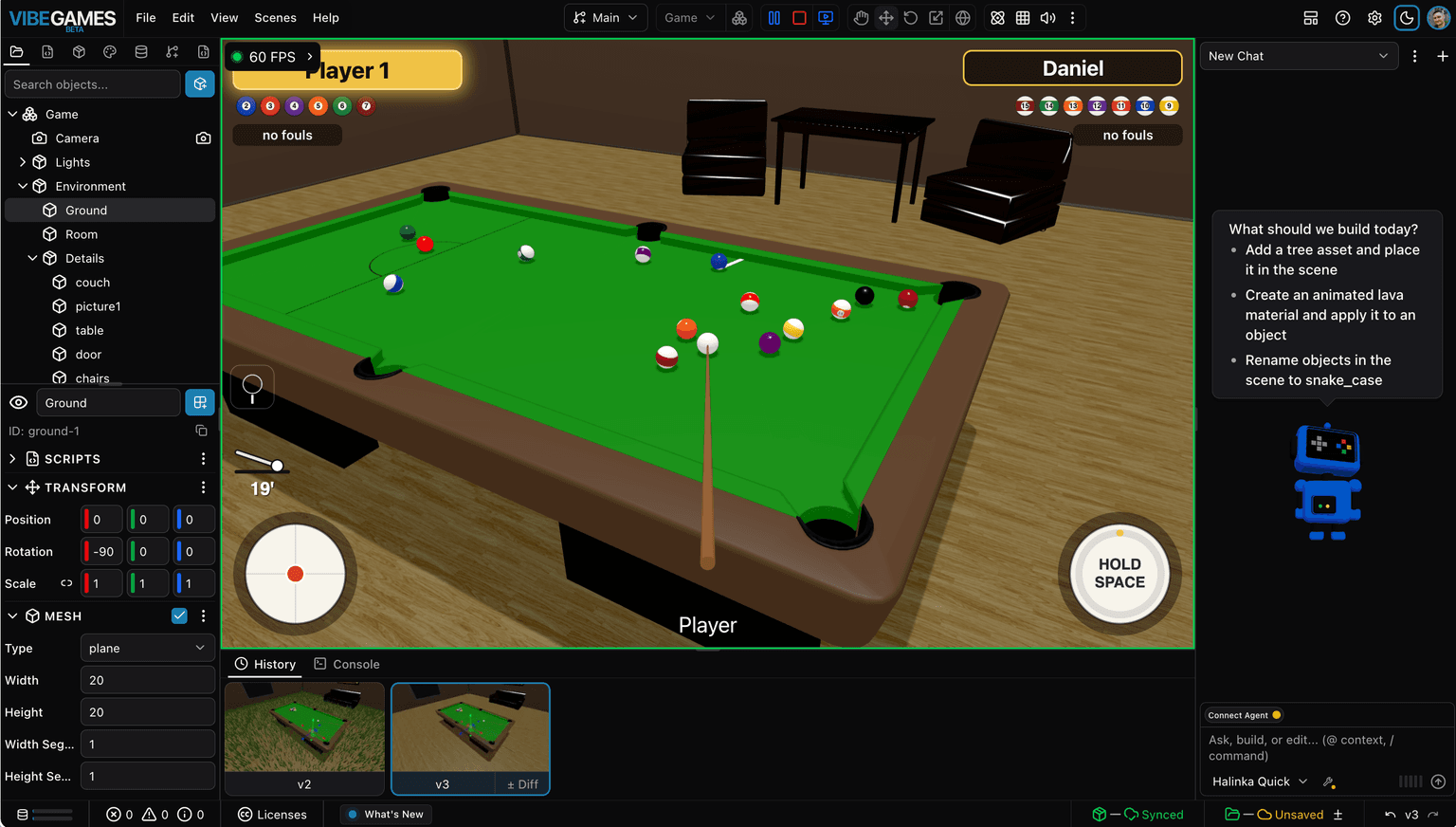
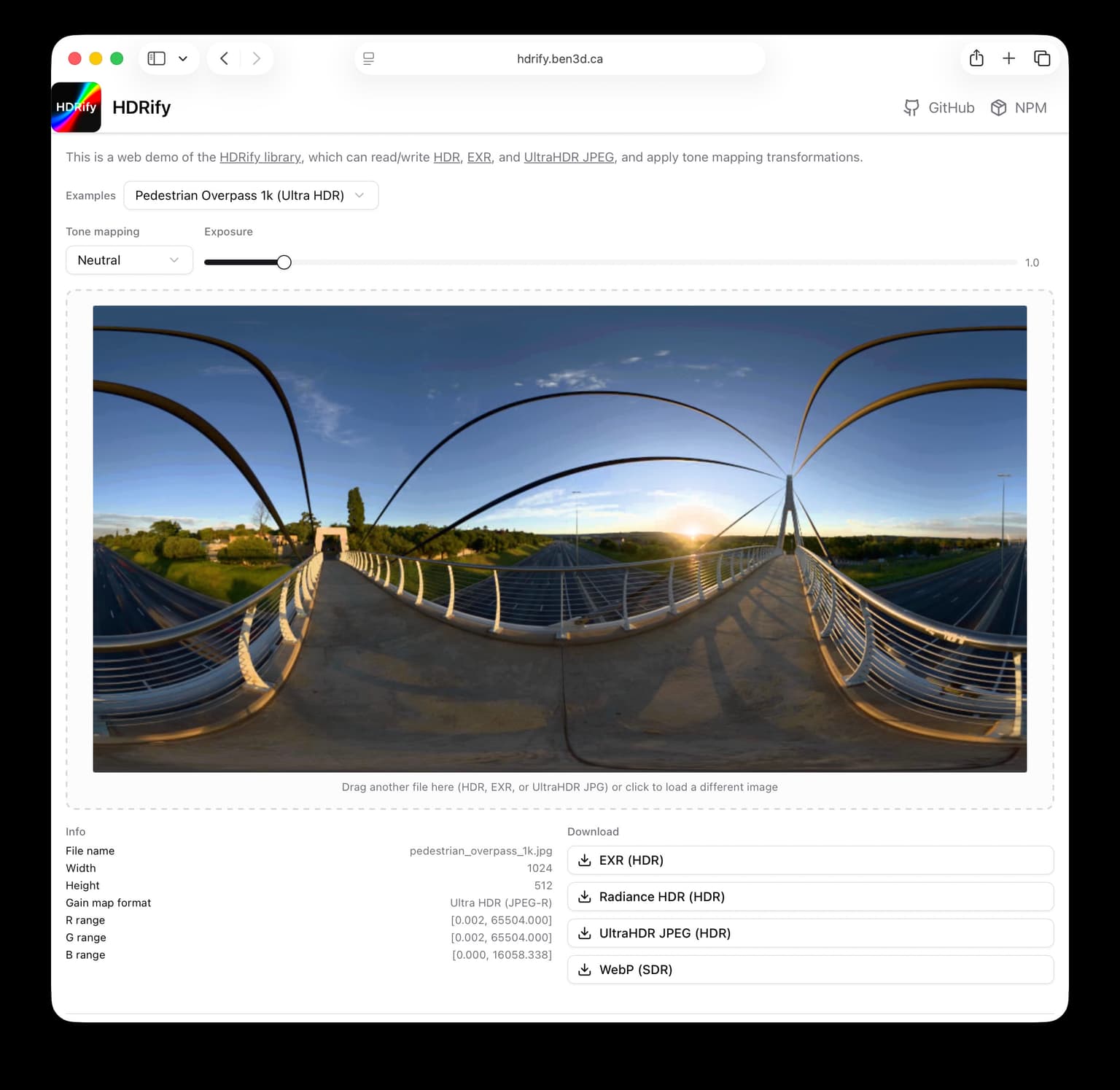
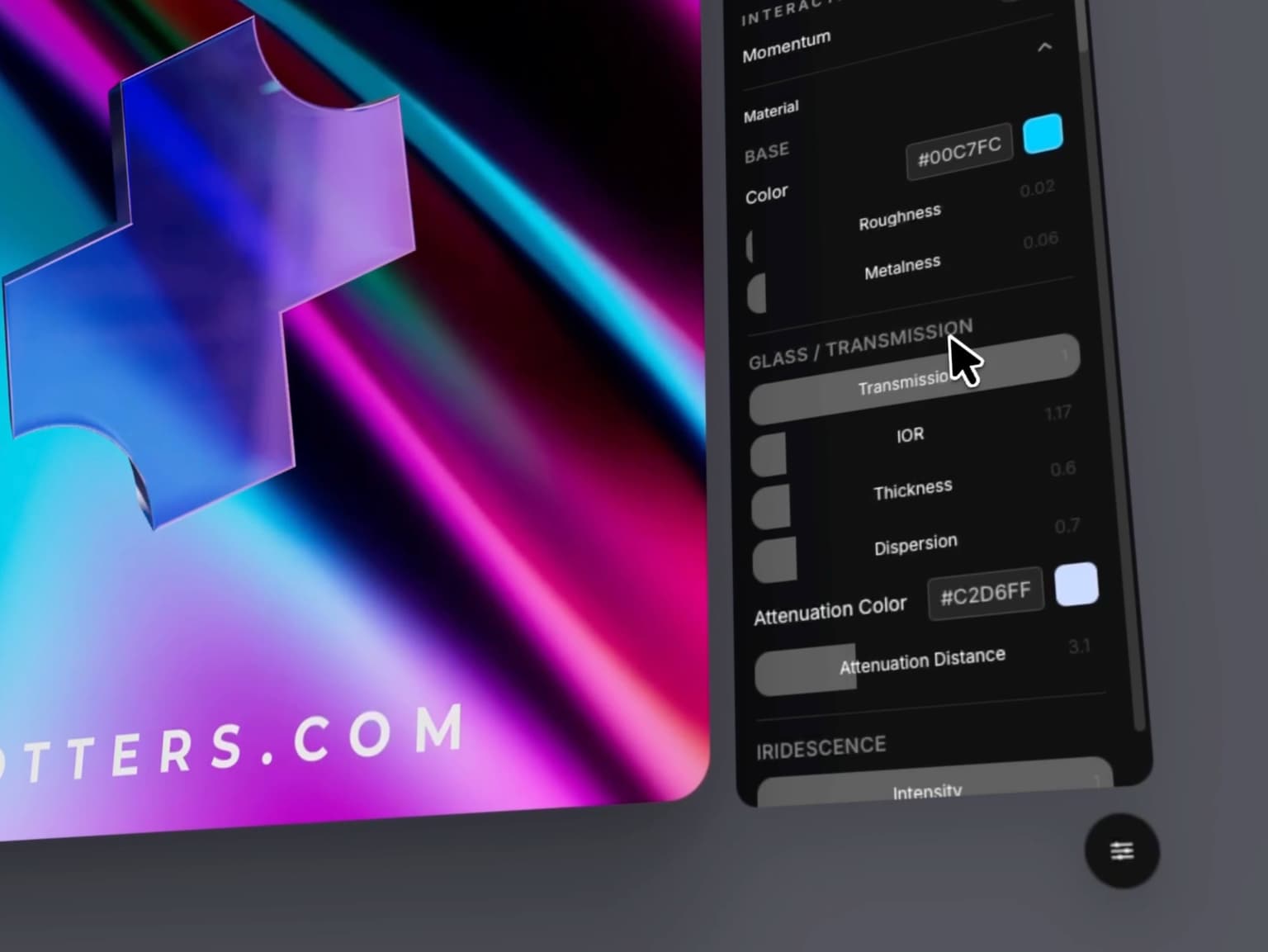
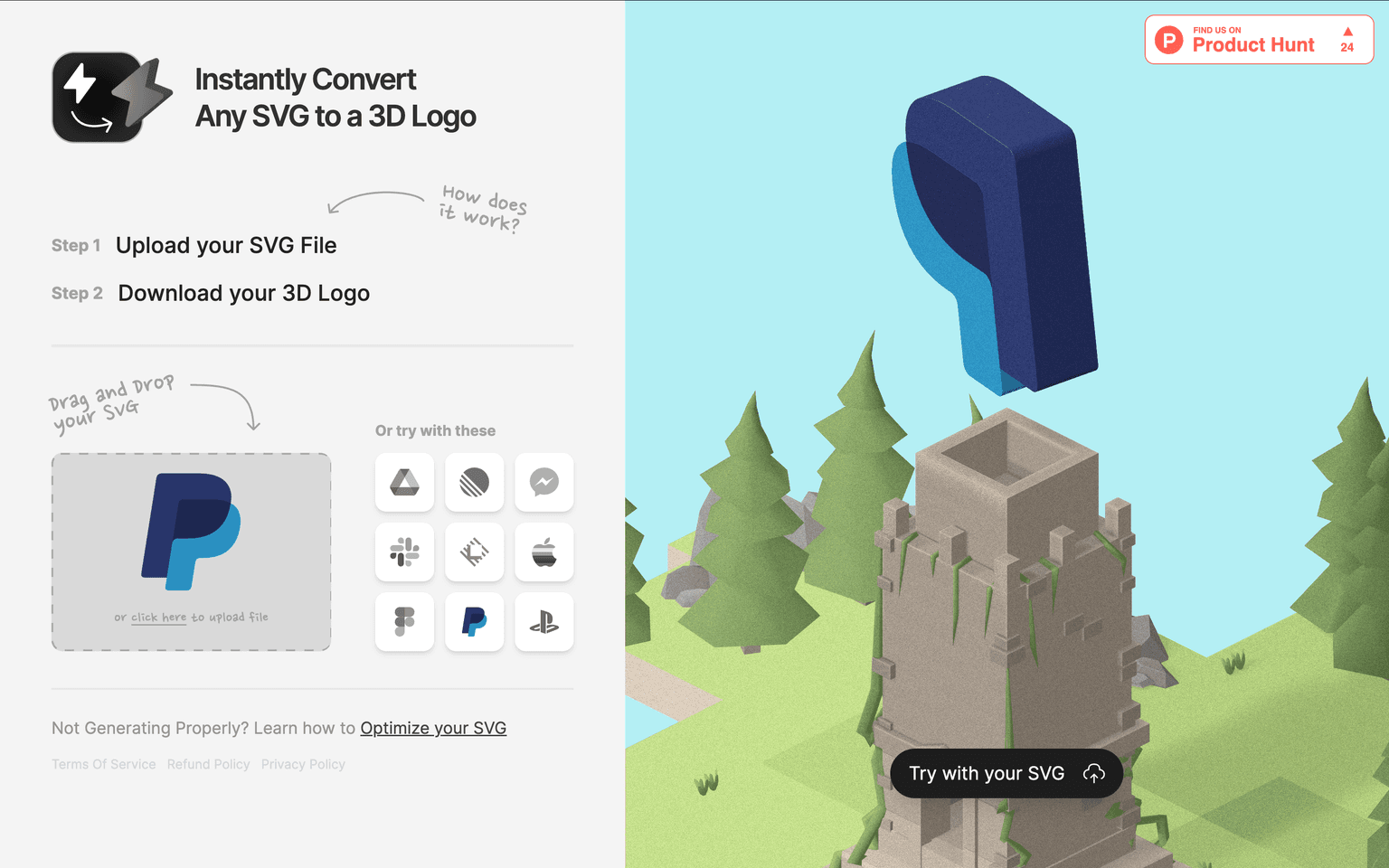
Convert flat SVG designs into realistic animated 3D glass visuals with real-time browser rendering.
Read the analysis →
A TypeScript game engine with support for single and multiplayer games with an authoritative server.
Read the analysis →
Fast WebAR library. Works in any device, with no need of WebXR.
Read the analysis →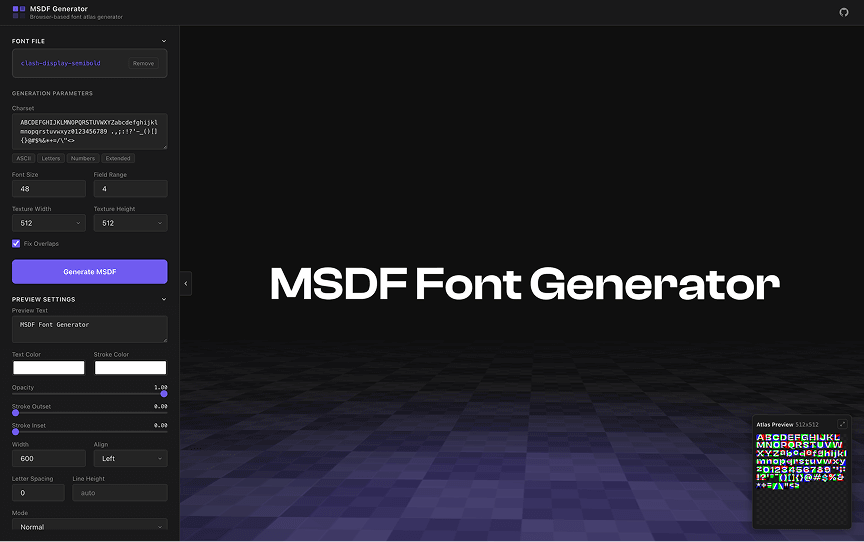
Online tool that helps you generate MSDF Font for Text rendering in WebGL / WebGPU
Read the analysis →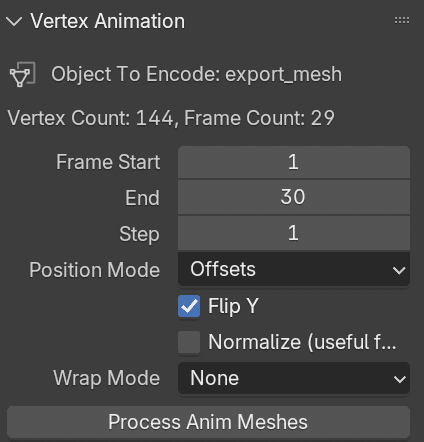
This Blender plugin generates Vertex Animation Textures (VAT) from animated meshes. It is designed to simplify the export of complex animations to Thr
Read the analysis →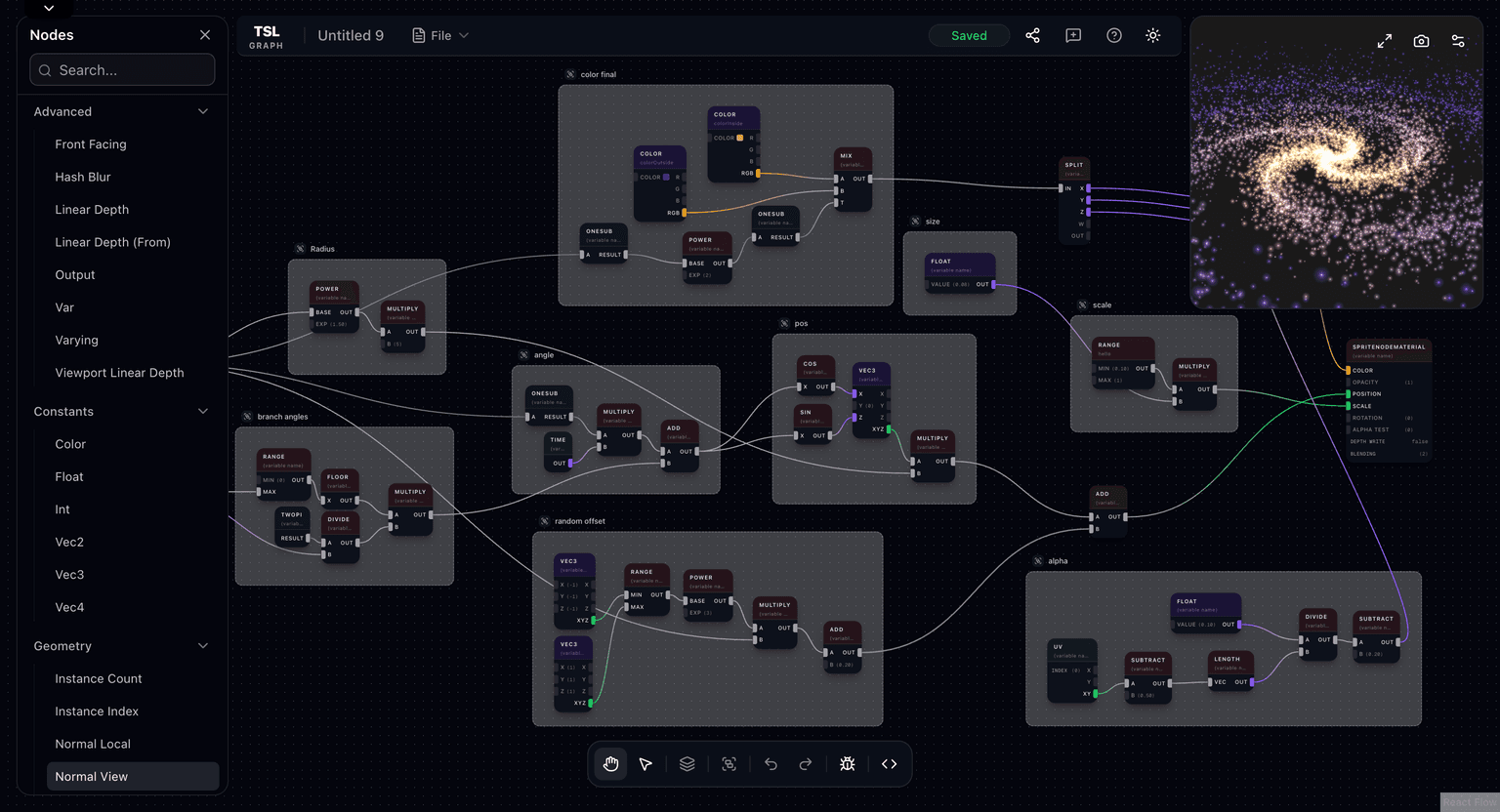
TSL Graph is a visual node-based editor for Three js shading language (TSL)
Read the analysis →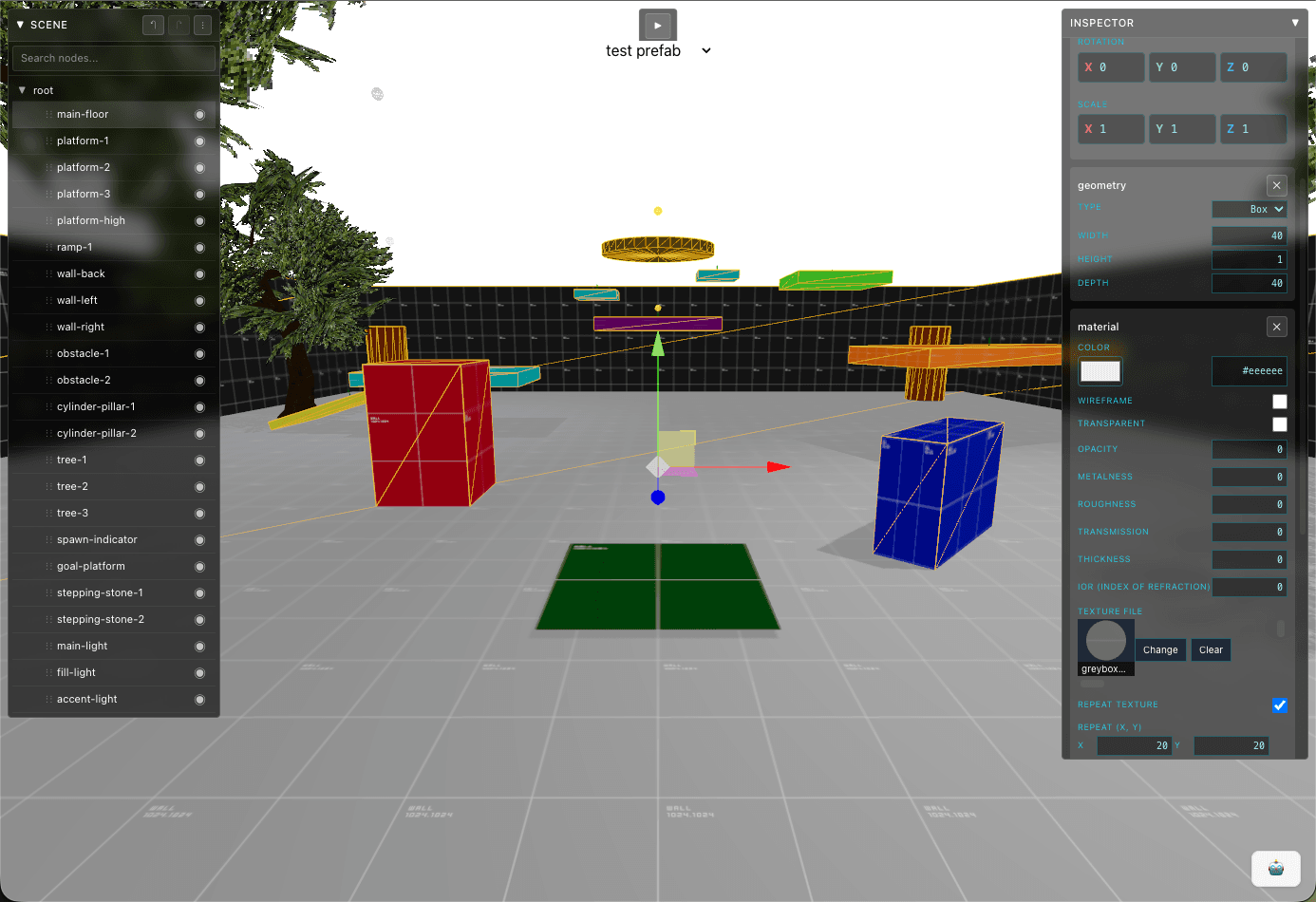
React based editor for threejs scenes with JSON serialized prefabs.
Read the analysis →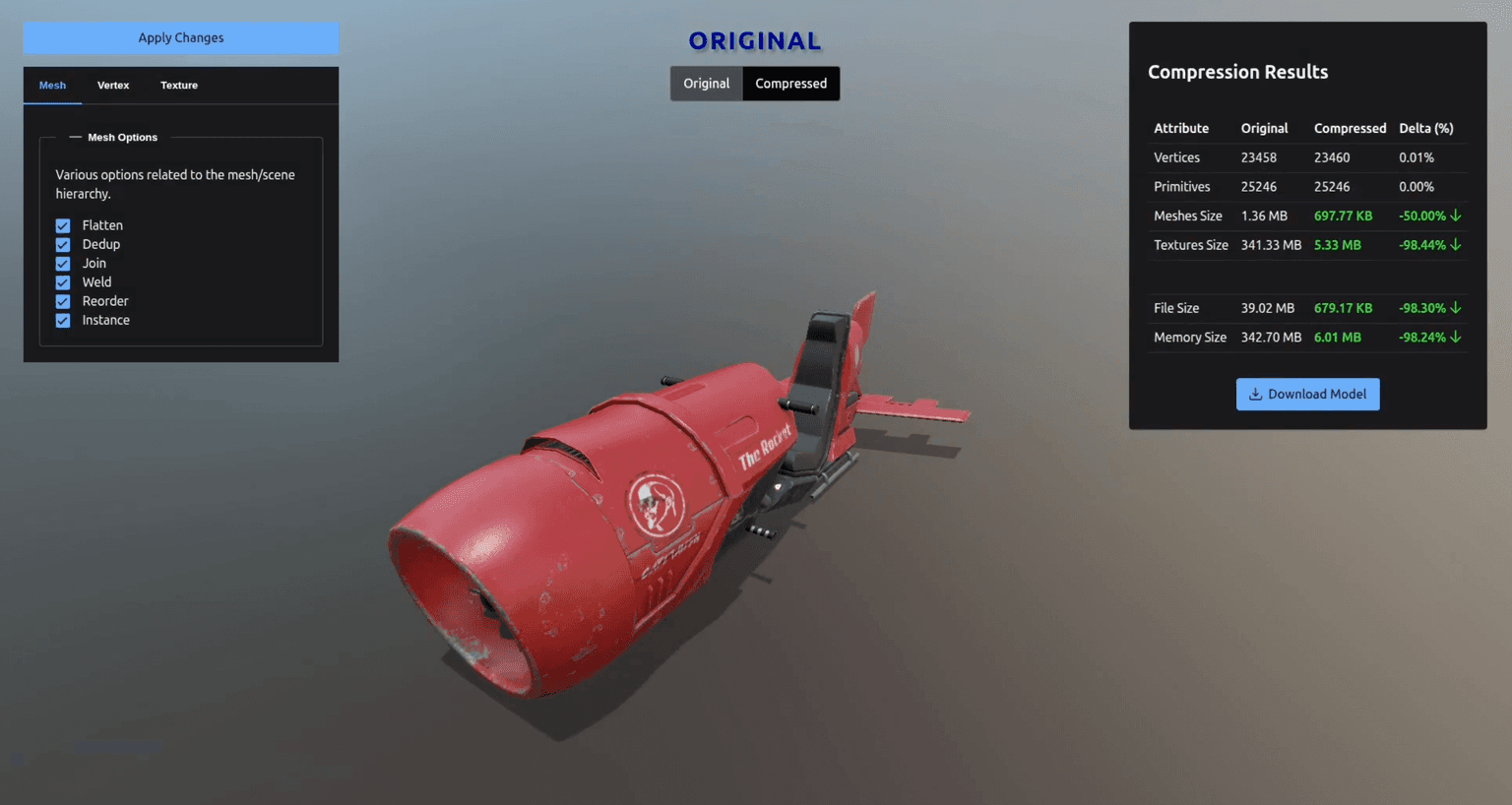
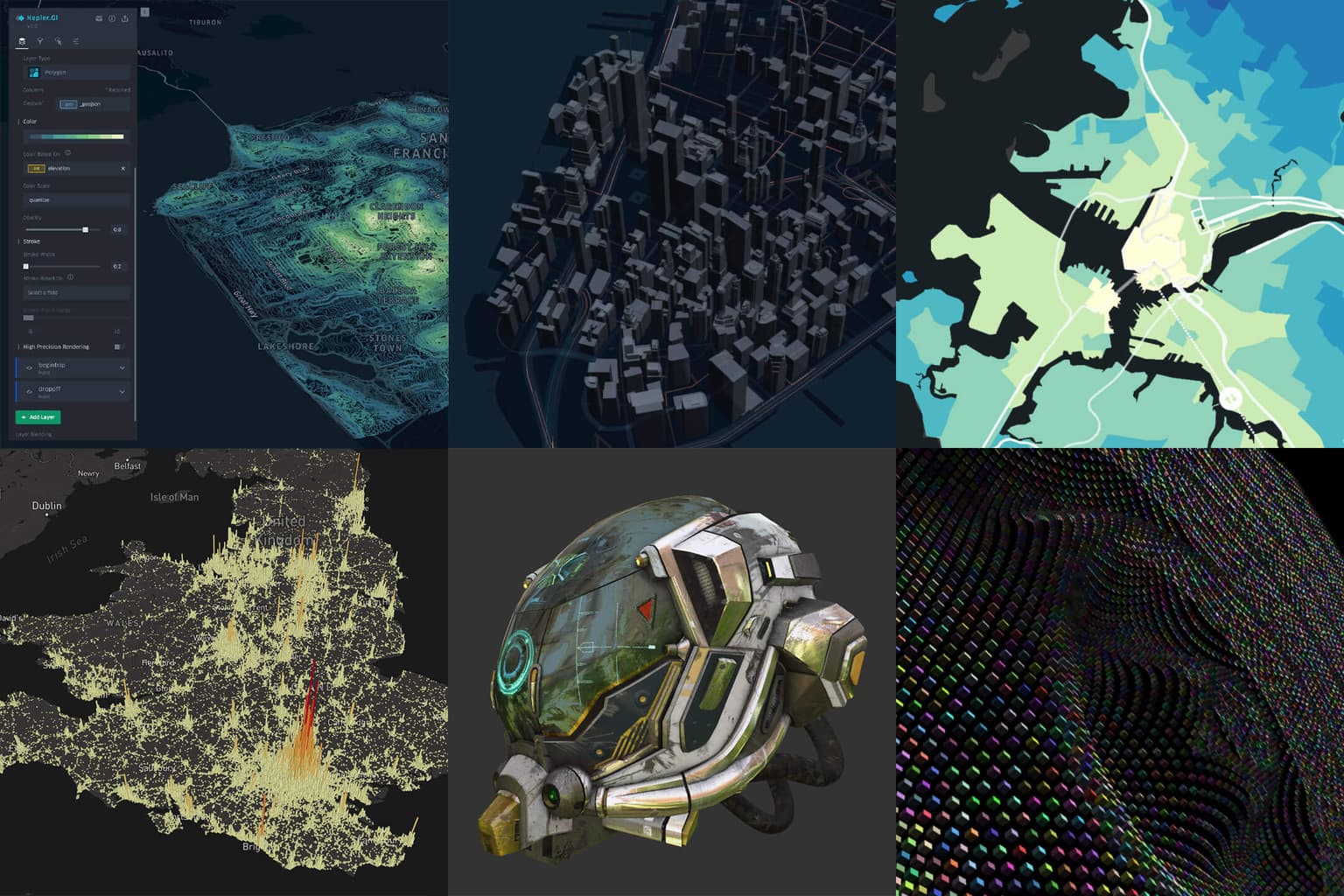
StringTune-3D integrates Three.js 3D objects with HTML via attributes inside StringTune, synced to DOM.
Read the analysis →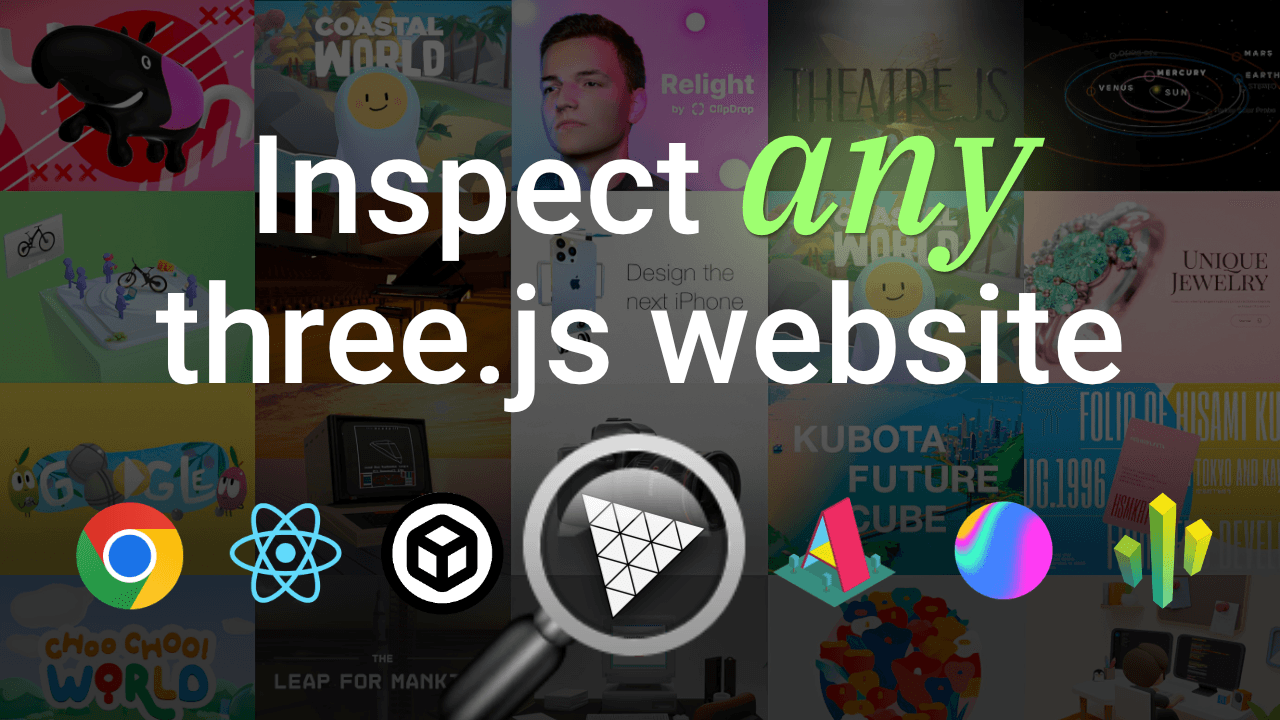
Inspect any three.js, react-three-fiber, Threlte, A-Frame, Spline or Needle Engine project with a visual hierarchy and real-time property editing
Read the analysis →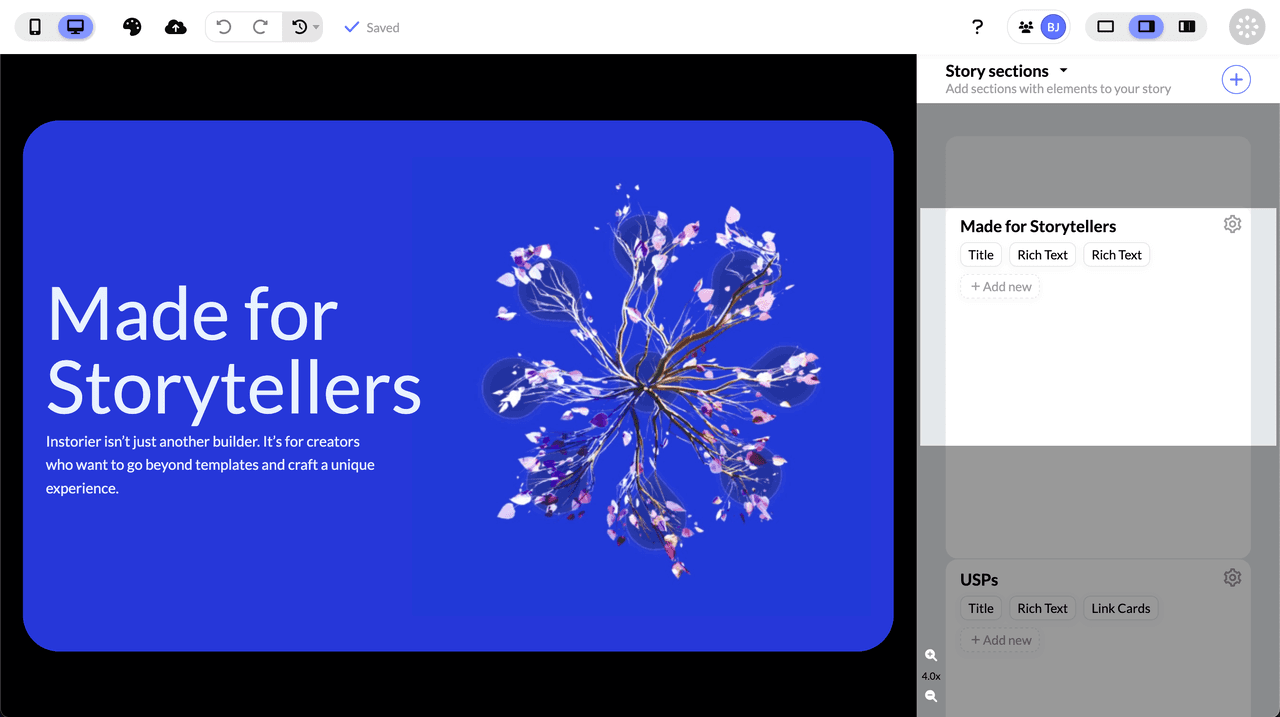
Instorier helps you stand out with story-driven, 3D websites that go live in under 5 minutes—no coding needed.
Read the analysis →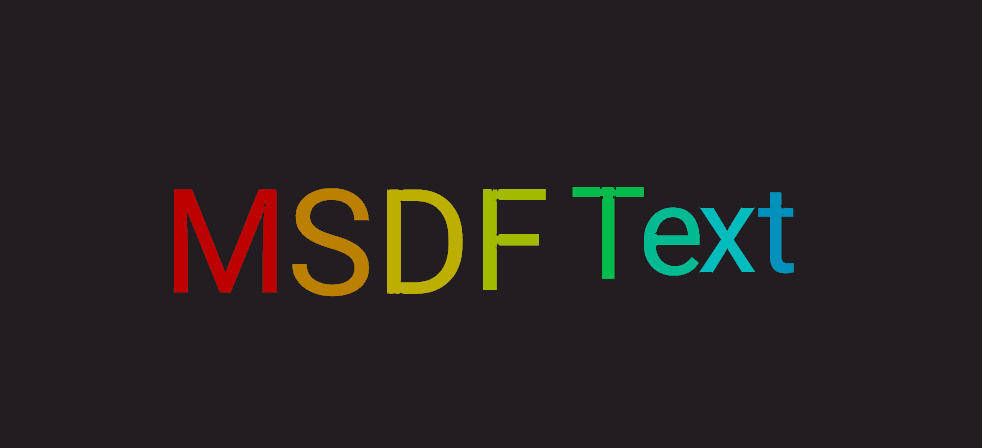
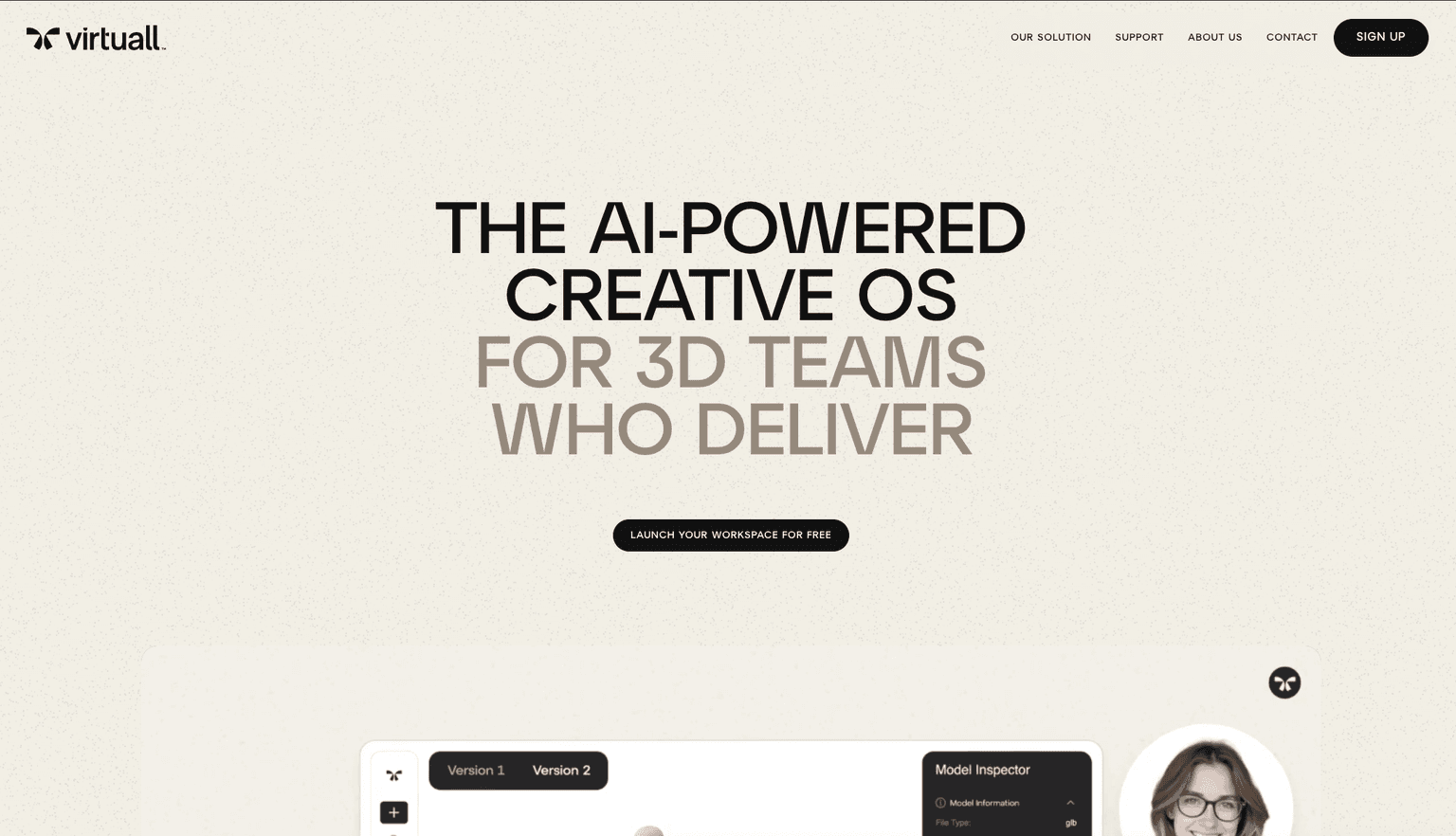
A browser-based workspace for 3D teams to generate, manage, and deliver 3D models collaboratively.
Read the analysis →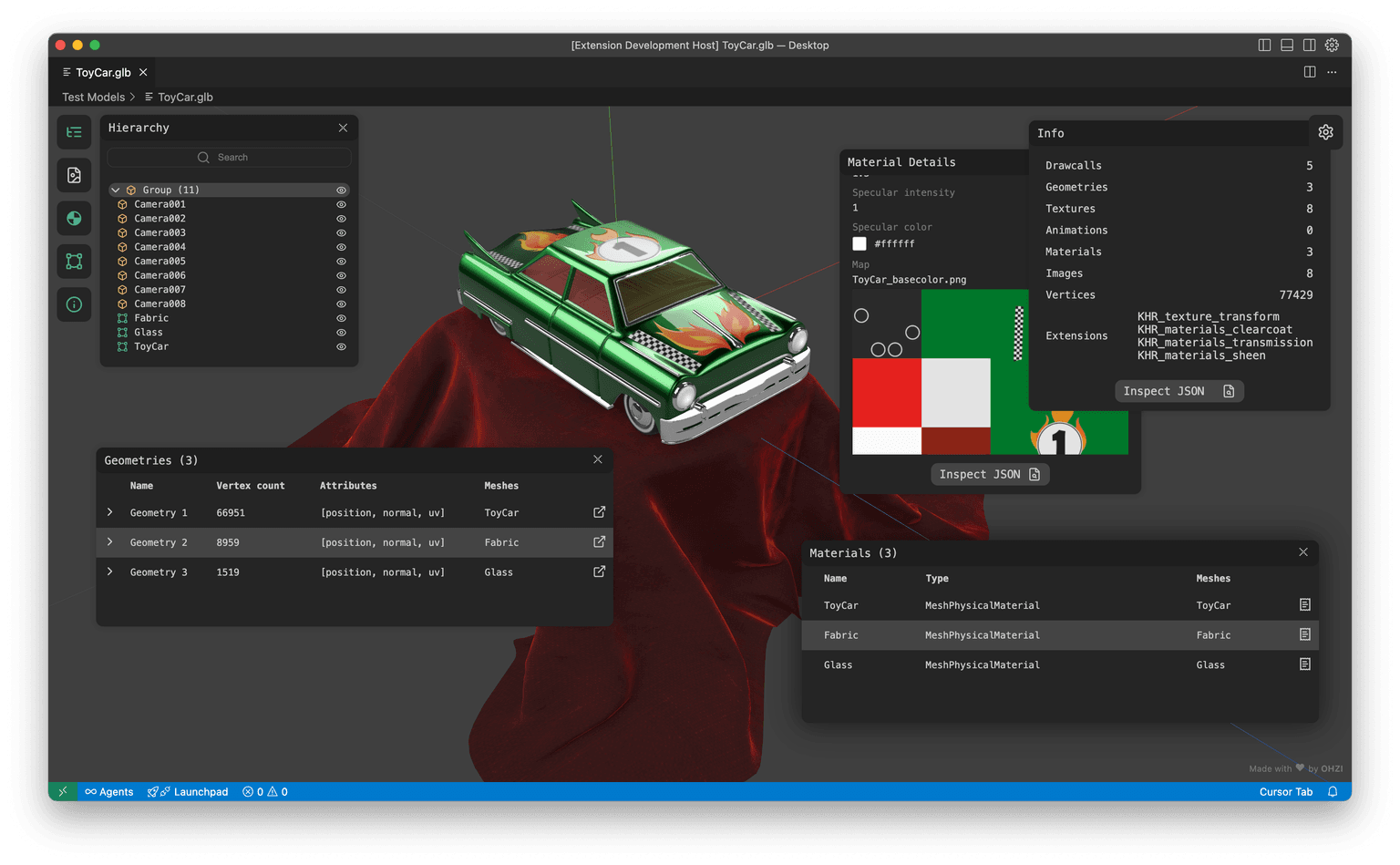
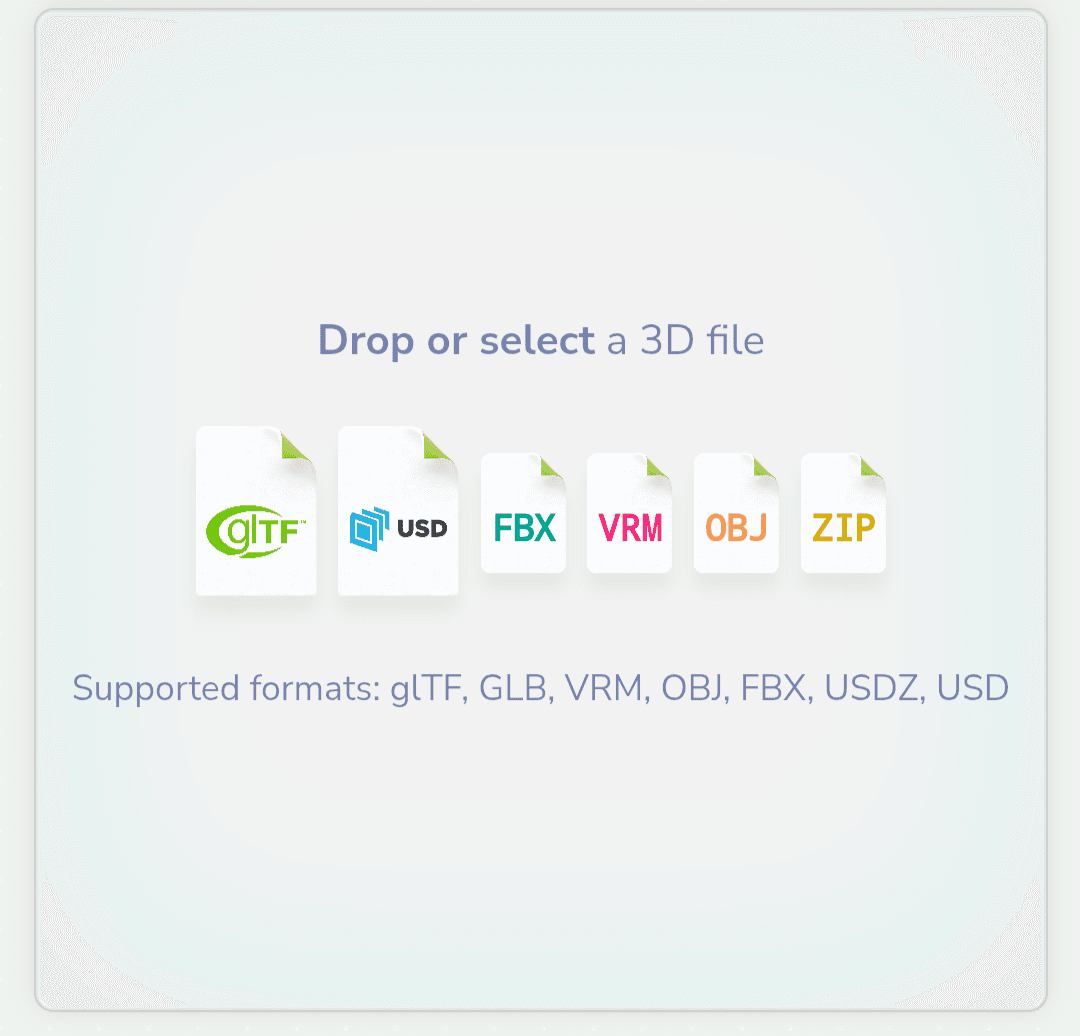
A Visual Studio Code extension that provides a built-in viewer for GLTF or GLB files. This extension allows you to preview and interact with 3D models
Read the analysis →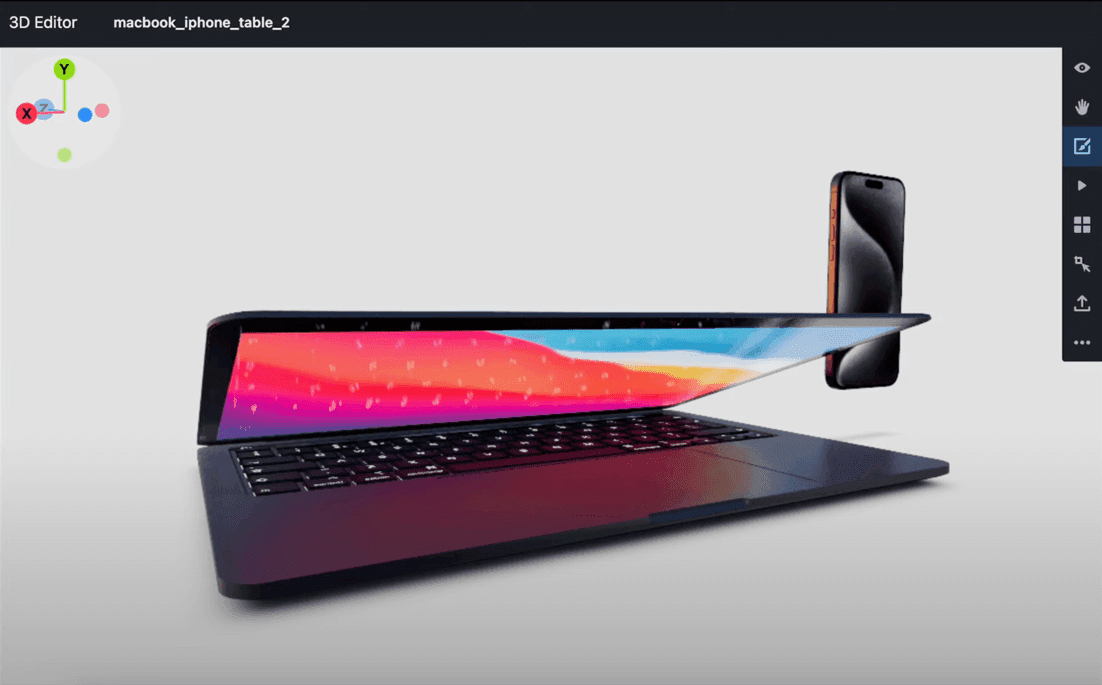
Effortlessly create 3D web experiences, from quick demos to advanced applications, with Three.js
Read the analysis →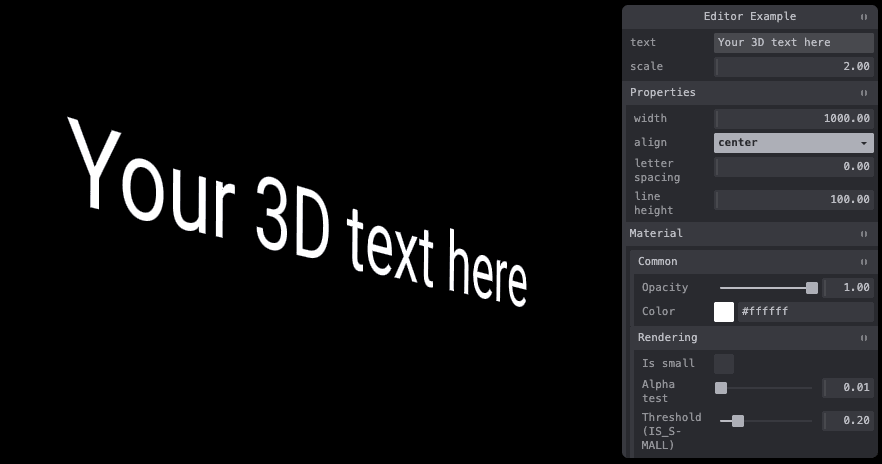
Utility classes for Text rendering in Three.js using Bitmap fonts and MSDF (multi-channel signed distance fields).
Read the analysis →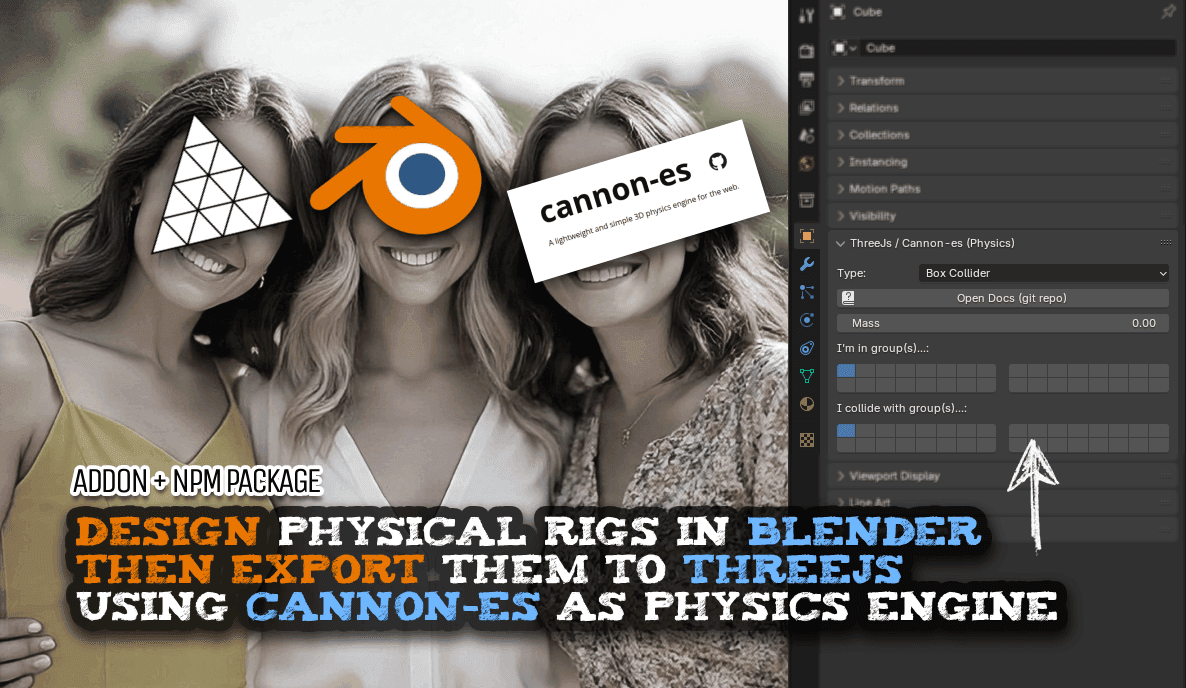
Create and position physics colliders in Blender then export them as GLB and load them automatically in ThreeJs with Cannon-es.
Read the analysis →
High‑quality text rendering in Three.js using SDF on‑the‑fly for crisp and dynamic text output.
Read the analysis →
Browser extension for inspecting Three.js scenes, materials, textures, and renderer settings.
Read the analysis →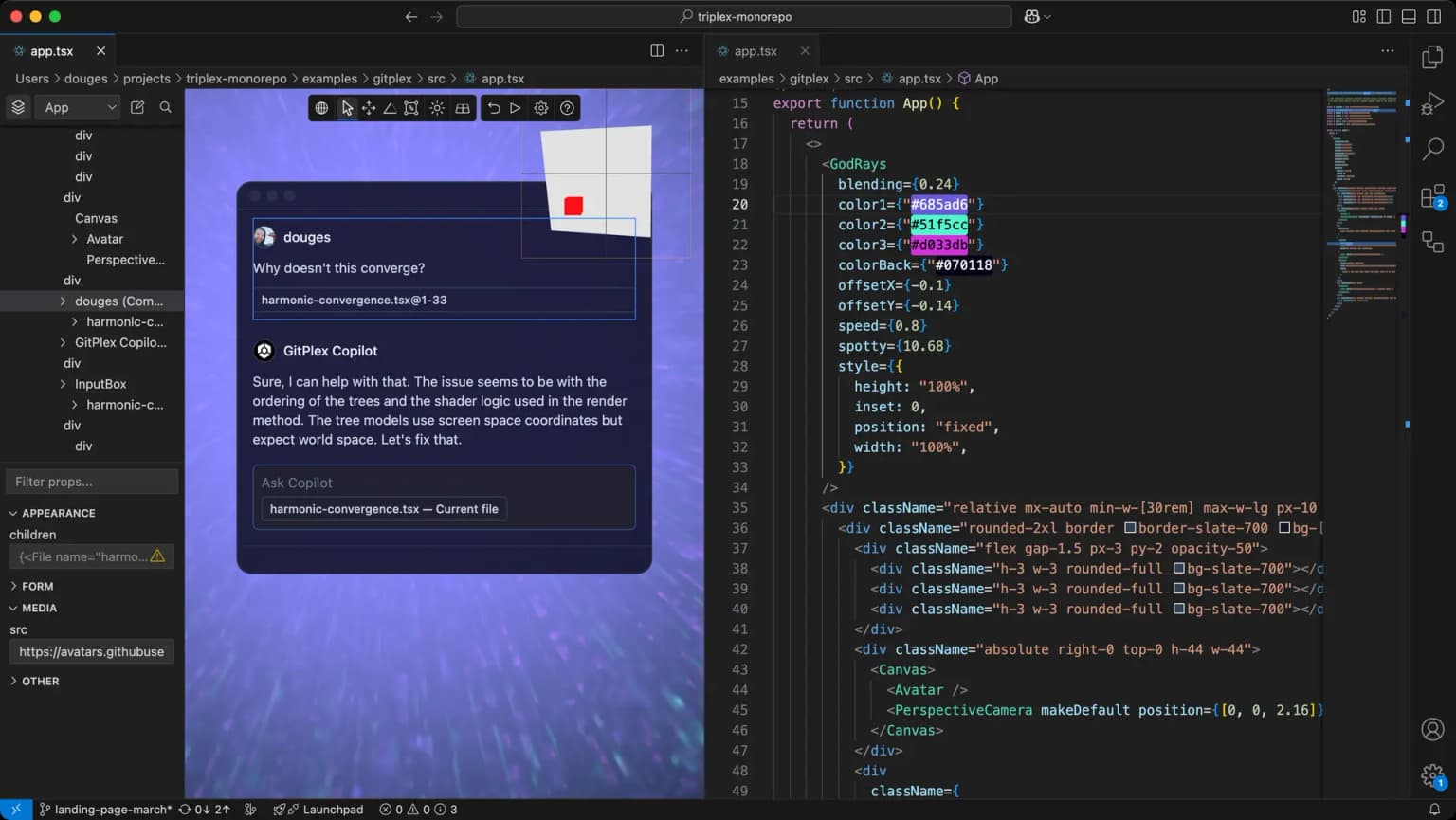
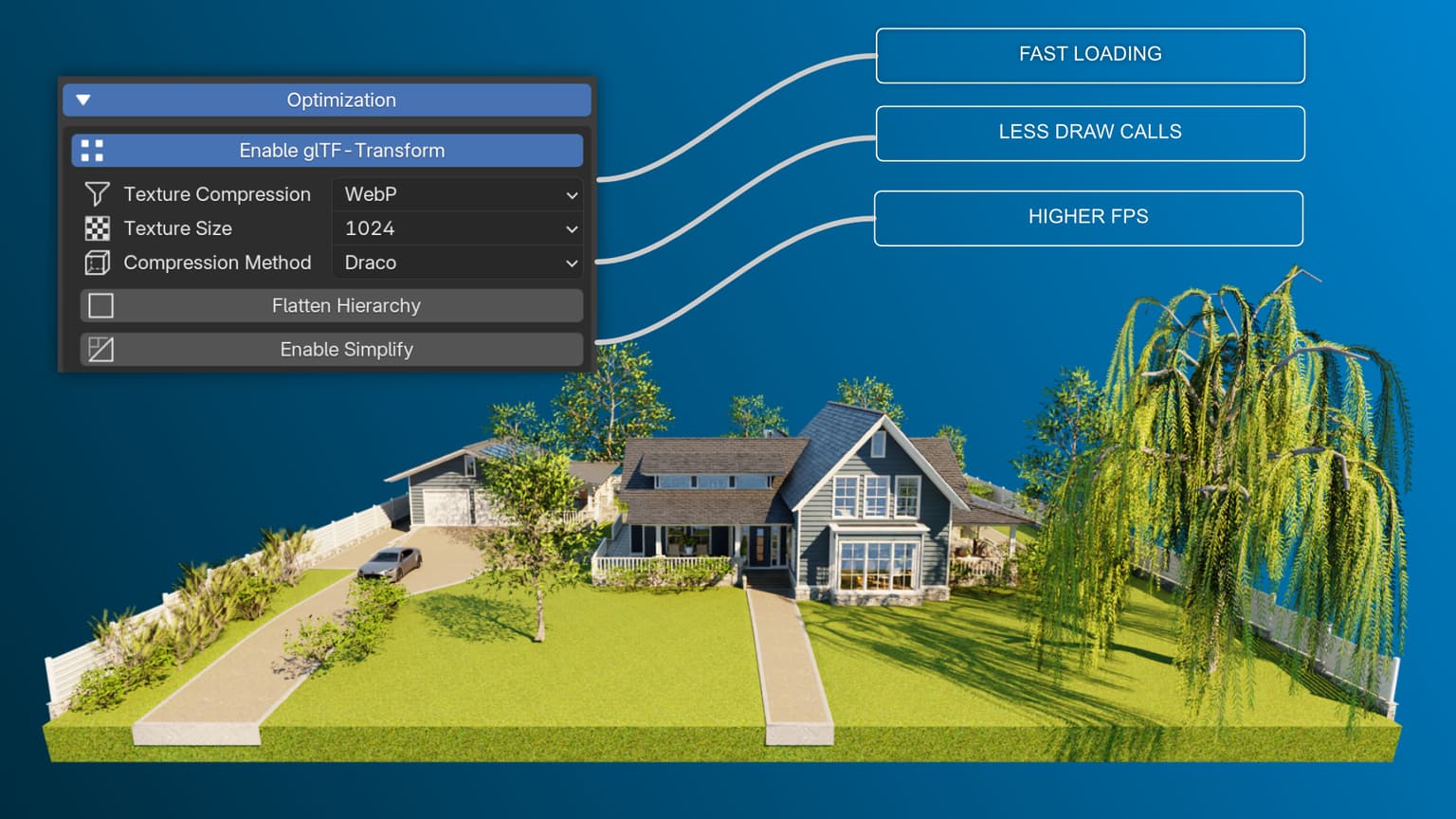
GLB Optimizer compresses and optimizes 3D models for smaller, faster-loading GLB files online.
Read the analysis →
Aircada: a lightweight browser based 3D design studio for creating interactive 3D content on the web
Read the analysis →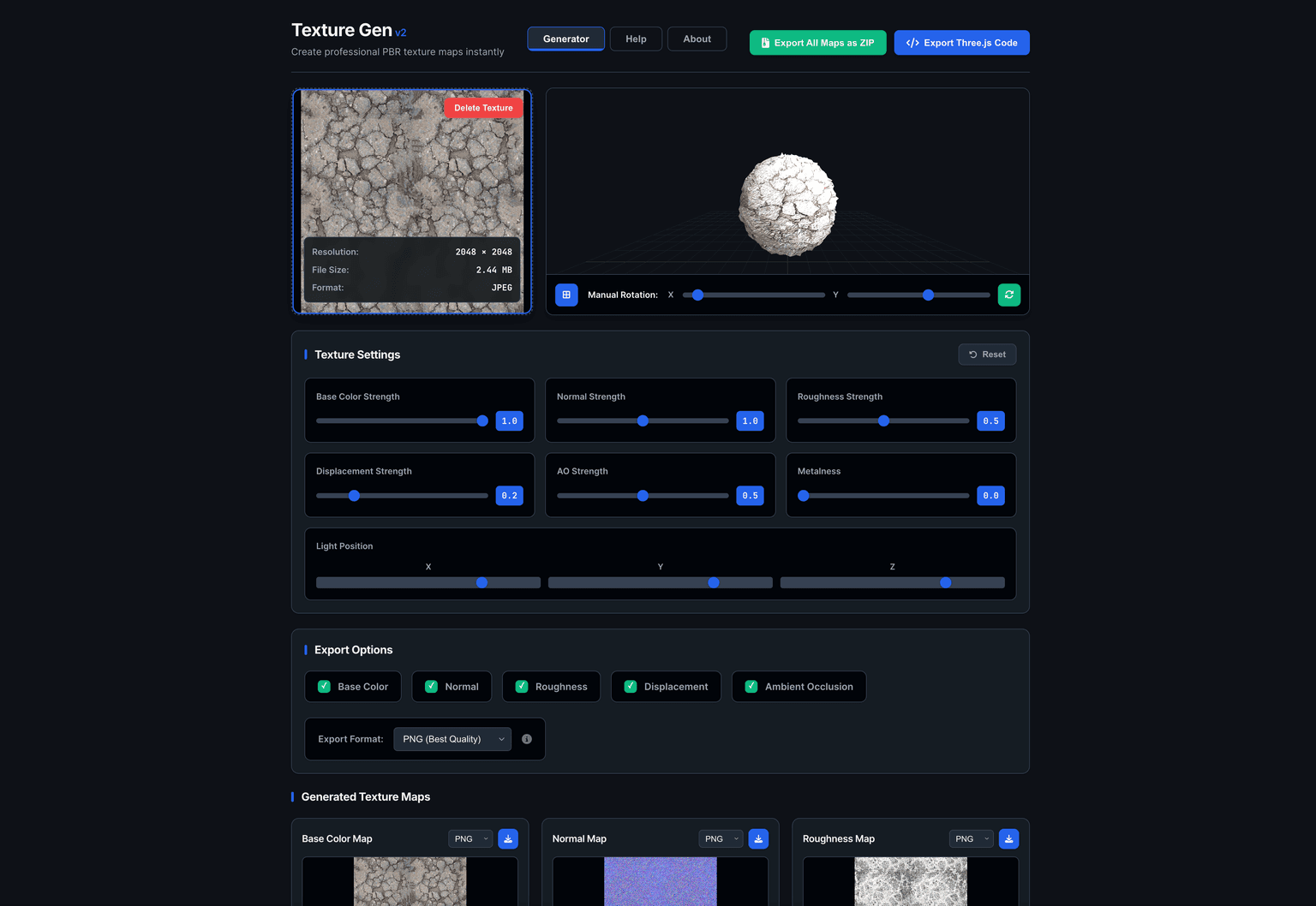

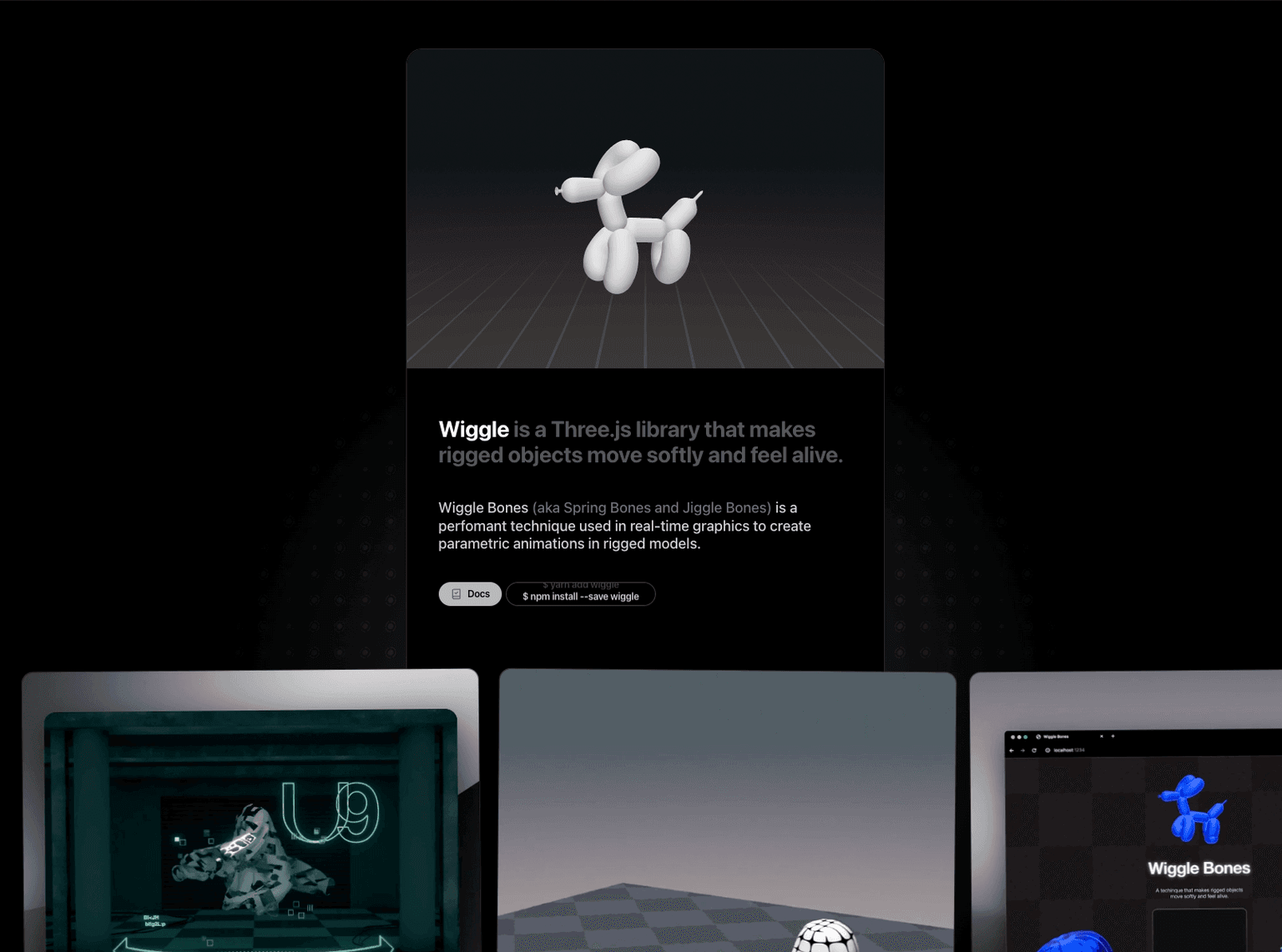
The Wiggle Tool is a handy utility for adding dynamic motion effects to objects in Three.js.
Read the analysis →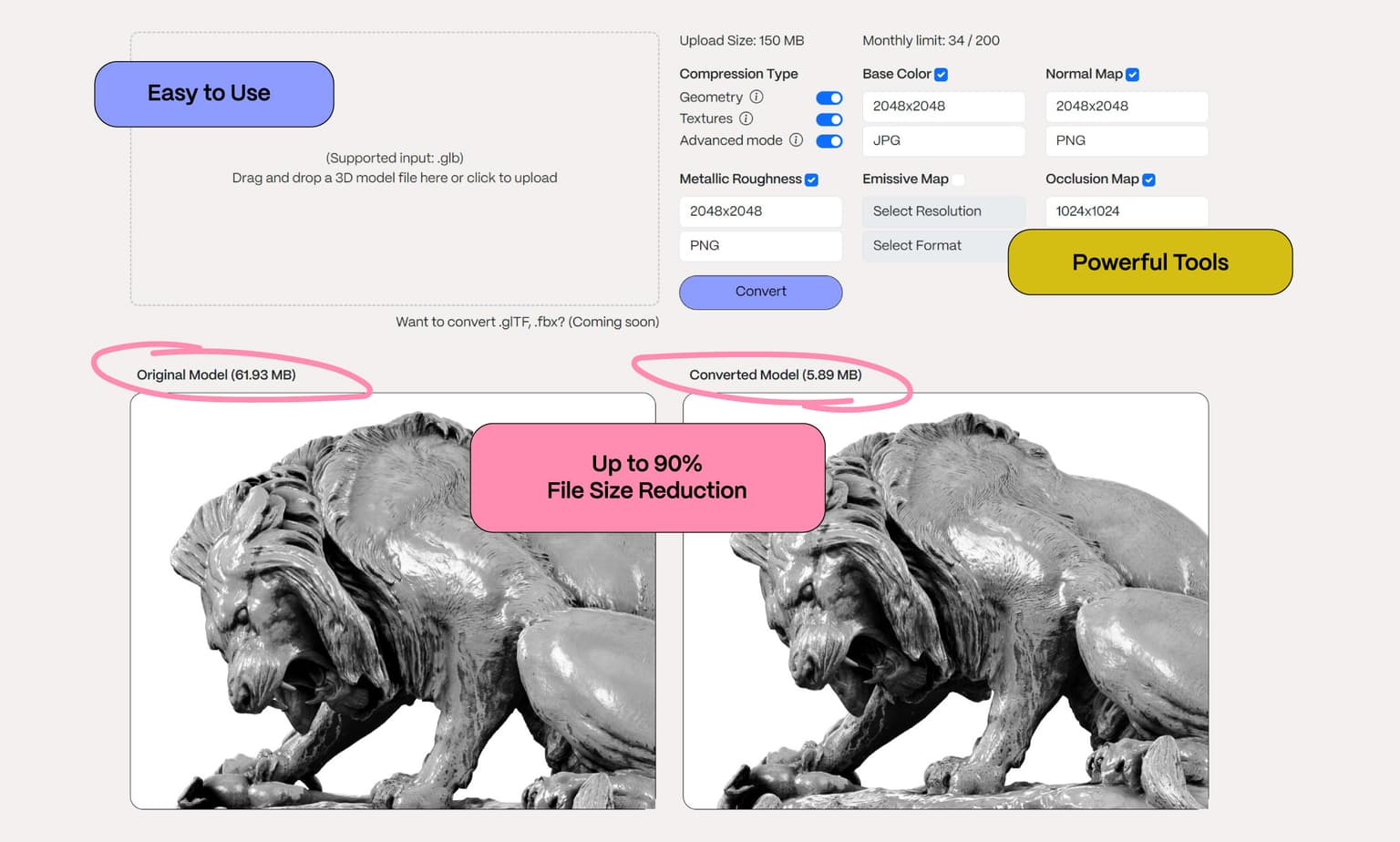
Optimise your 3D assets for Spatial Web, Gaming, AR/VR experiences
Read the analysis →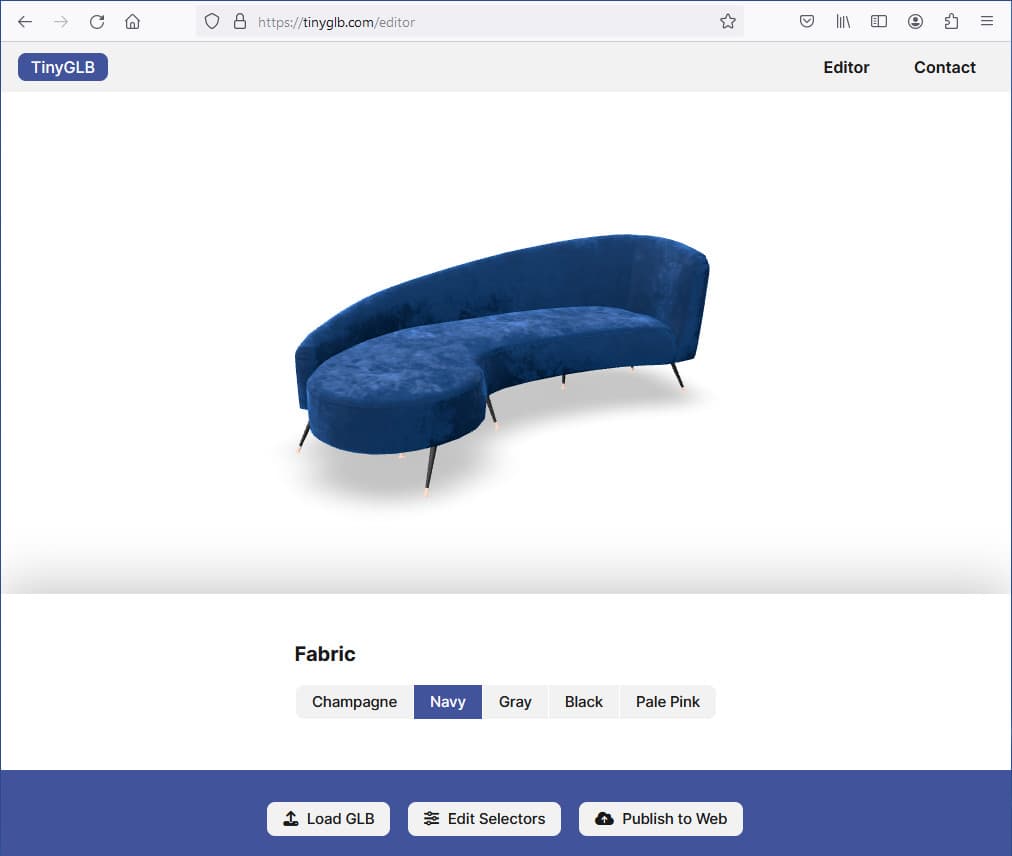
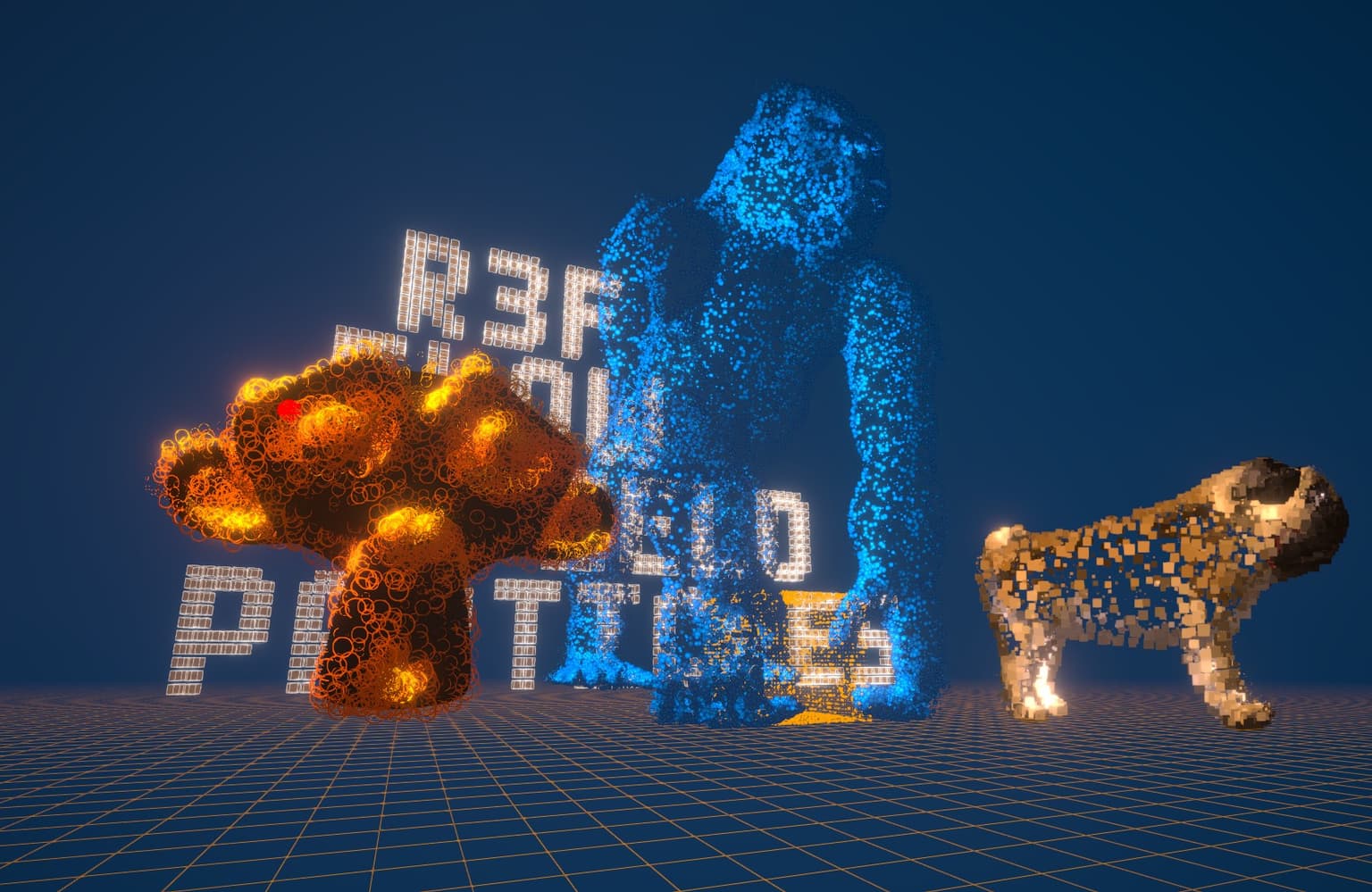
A particle system based on GPGPU, running with React Three Fiber
Read the analysis →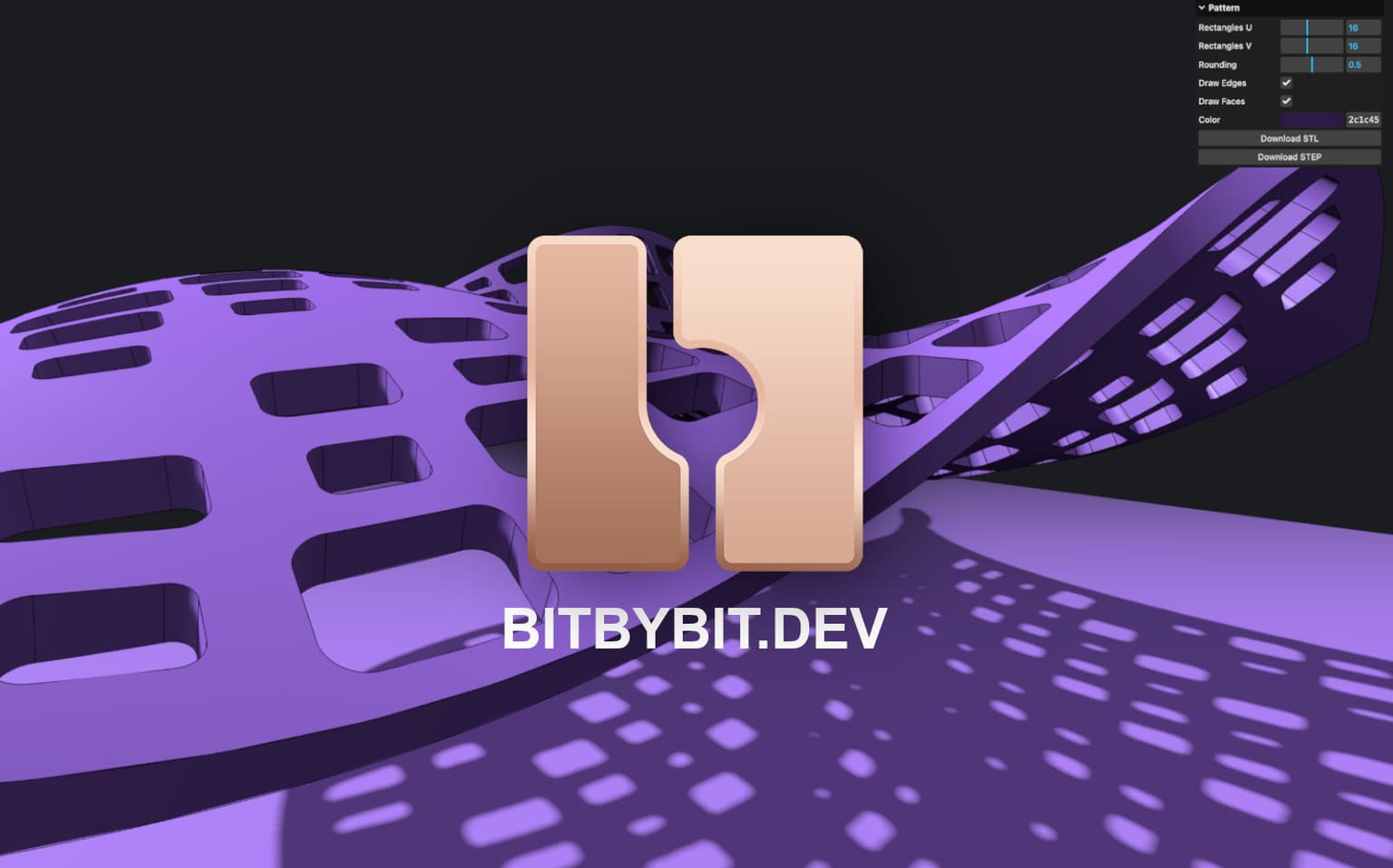
3D CAD algorithms of bitbybit.dev for ThreeJS developers. Powerful geometry kernels for your apps.
Read the analysis →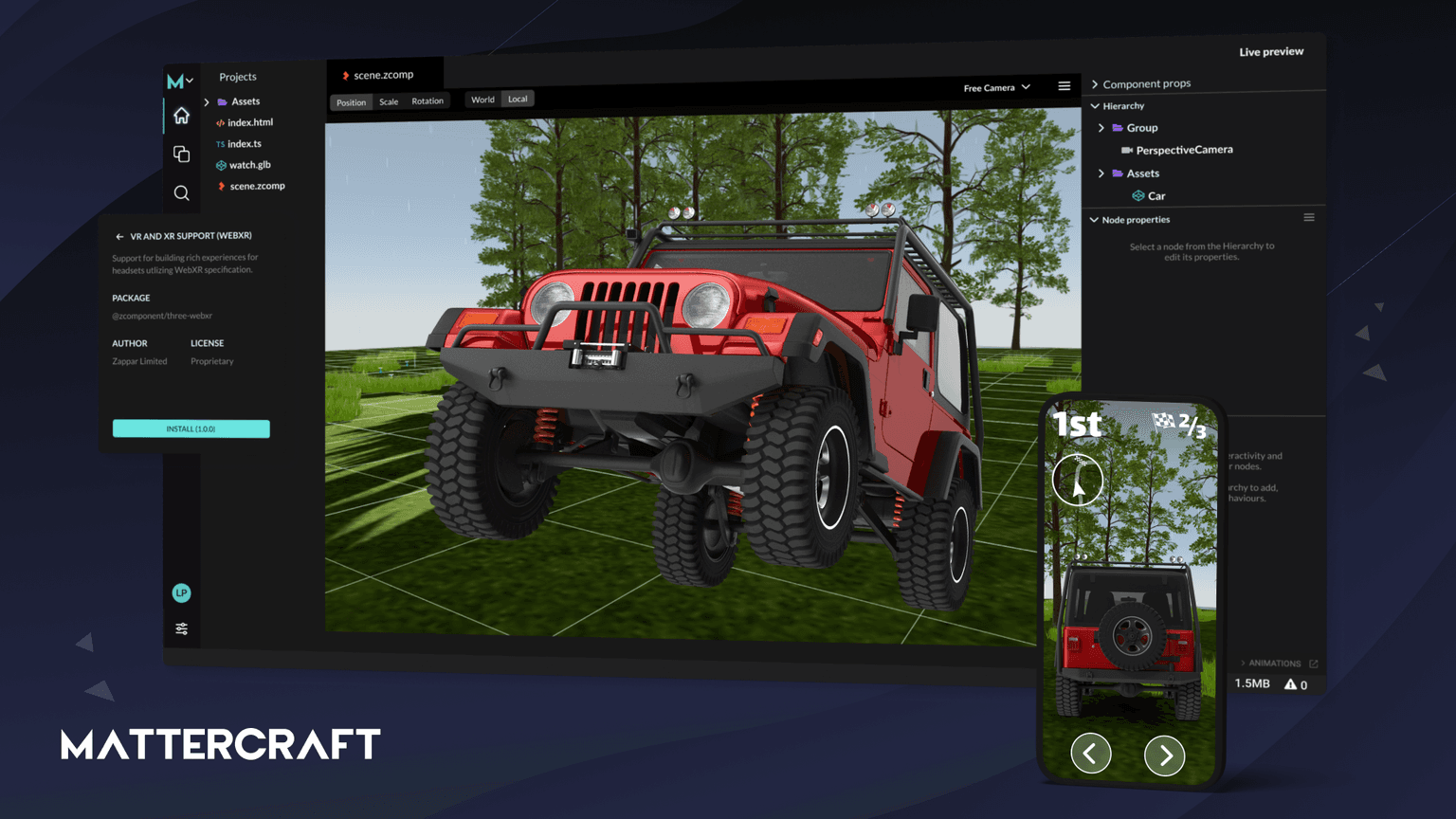
Mattercraft is a visual editor perfected for building interactive 3D, AR, VR and WebXR experiences.
Read the analysis →
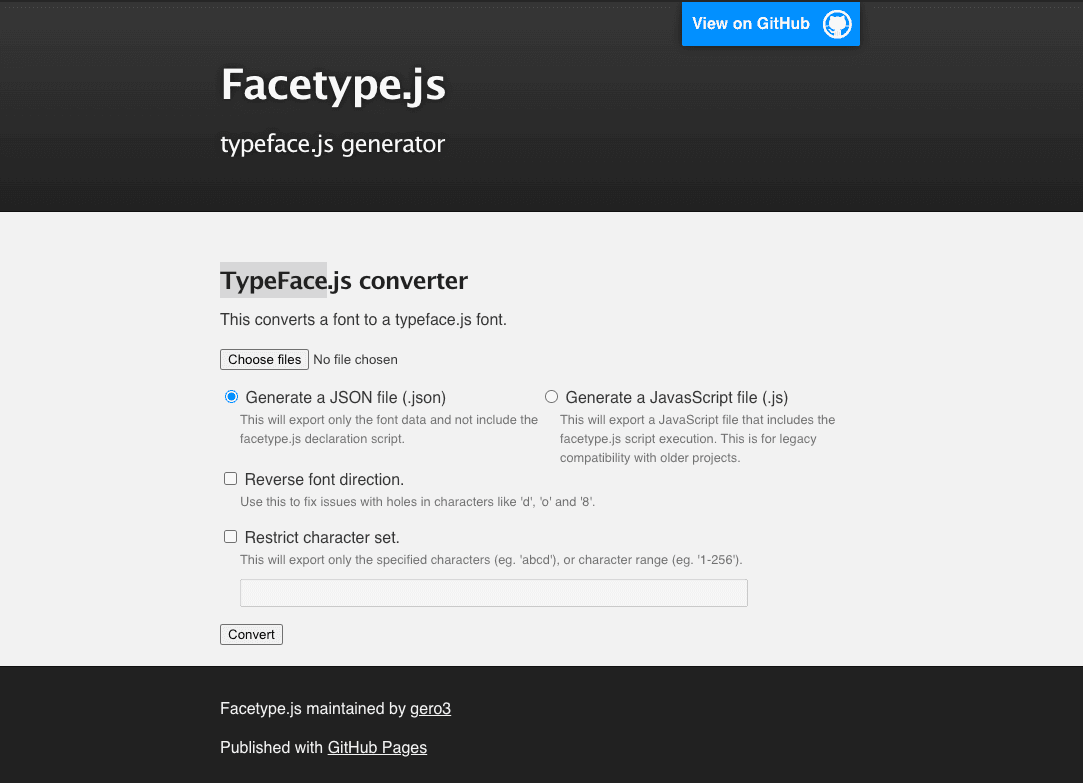
Facetype.js is a JavaScript library that renders 3D text geometry, ideal for three.js resources.
Read the analysis →
uil.js is a lightweight ui for javascript with a complete 3d display support. totally customizable,
Read the analysis →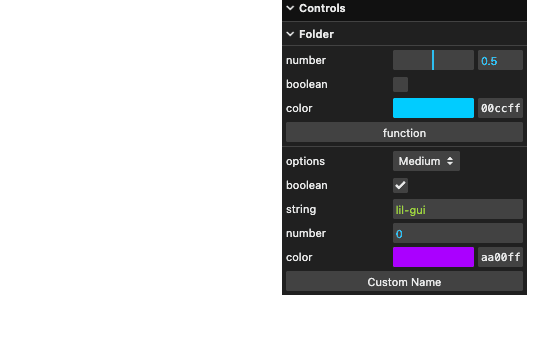
Makes a floating panel for controllers on the web. Works as a drop-in replacement for dat.gui.
Read the analysis →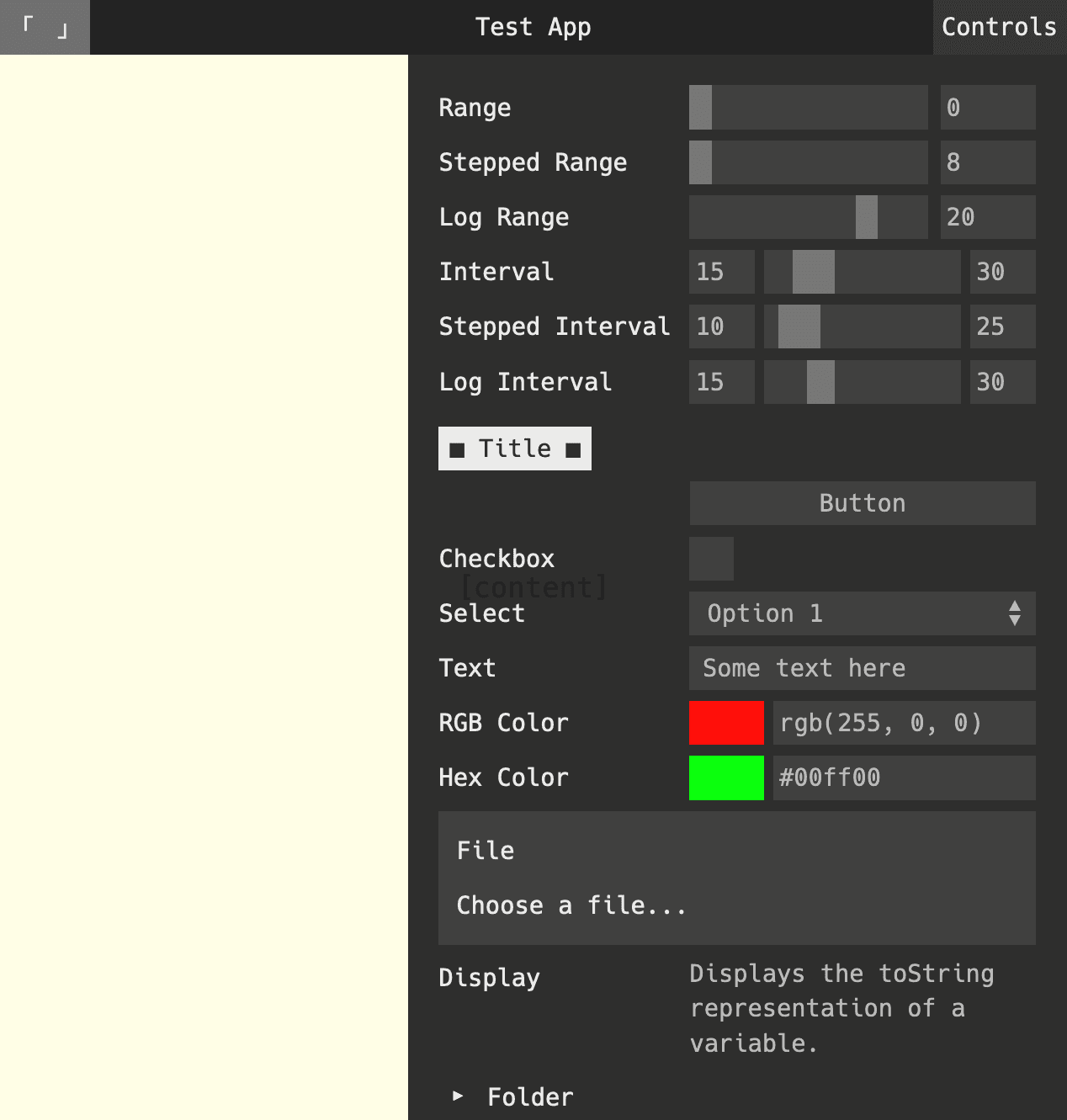
Guify is a runtime JS library that gives you a simple way to build a GUI for your JS projects.
Read the analysis →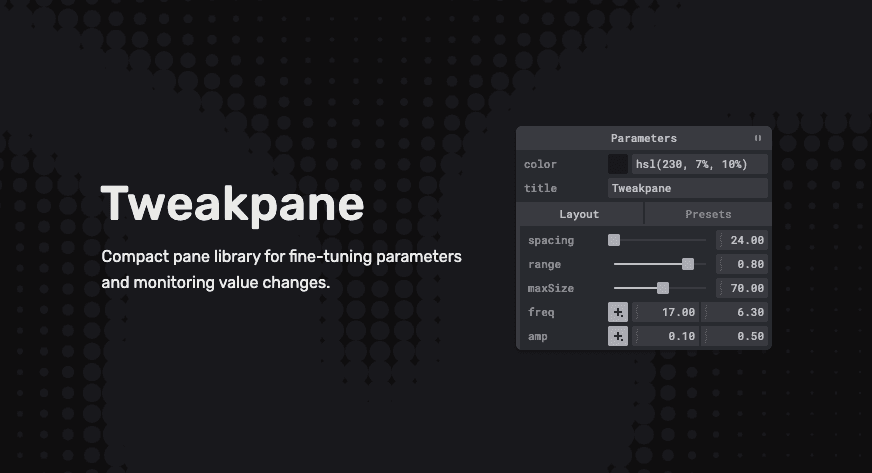
Tweakpane is a pane-based control library for real-time parameter adjustments in three.js resources.
Read the analysis →
Allows batch convert of fbx/obj/gltf to glb, can also batch add animation fbx files from Mixamo
Read the analysis →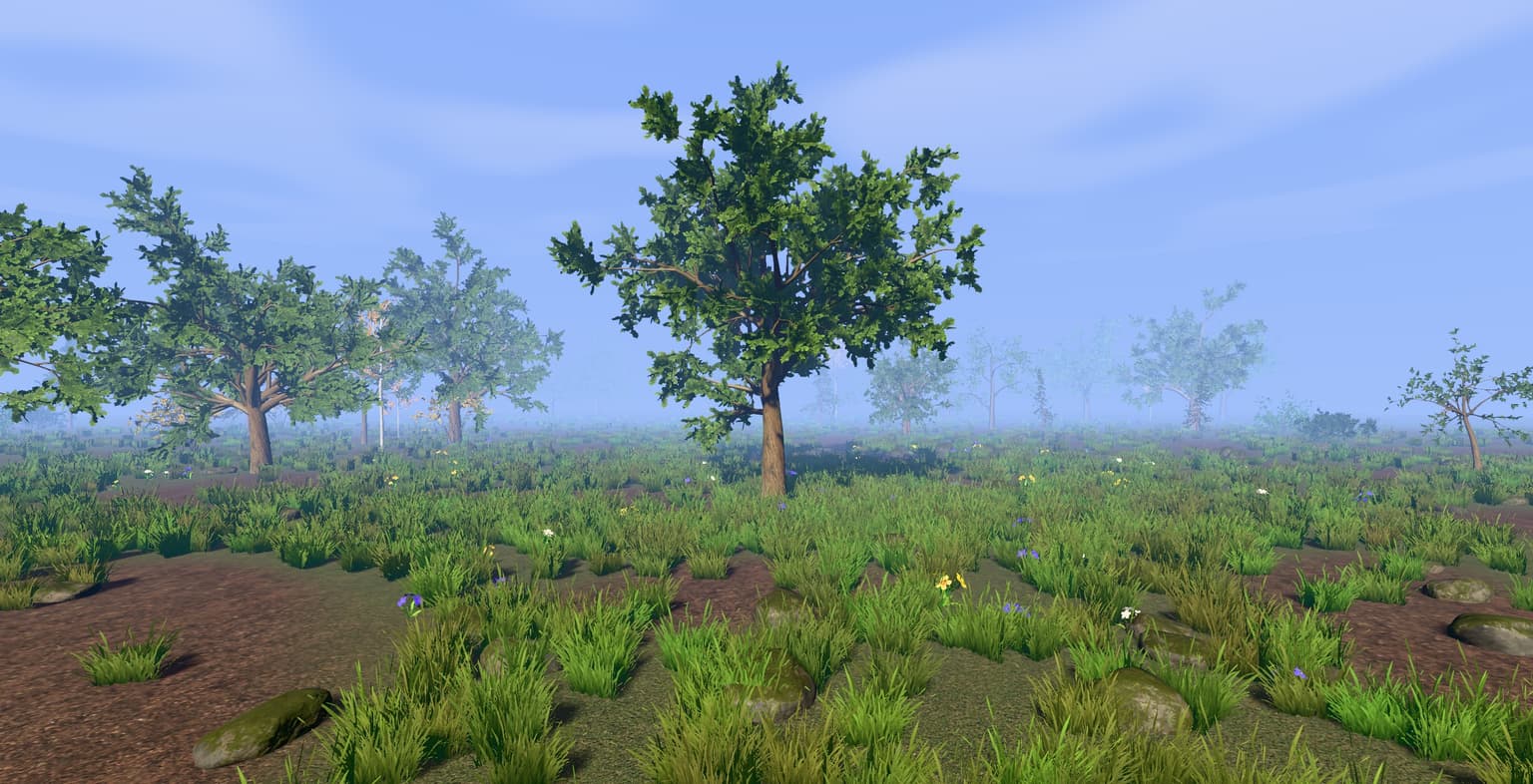
A collection of WebGL Elements and Extensions for creating Web Experiences in WordPress
Read the analysis →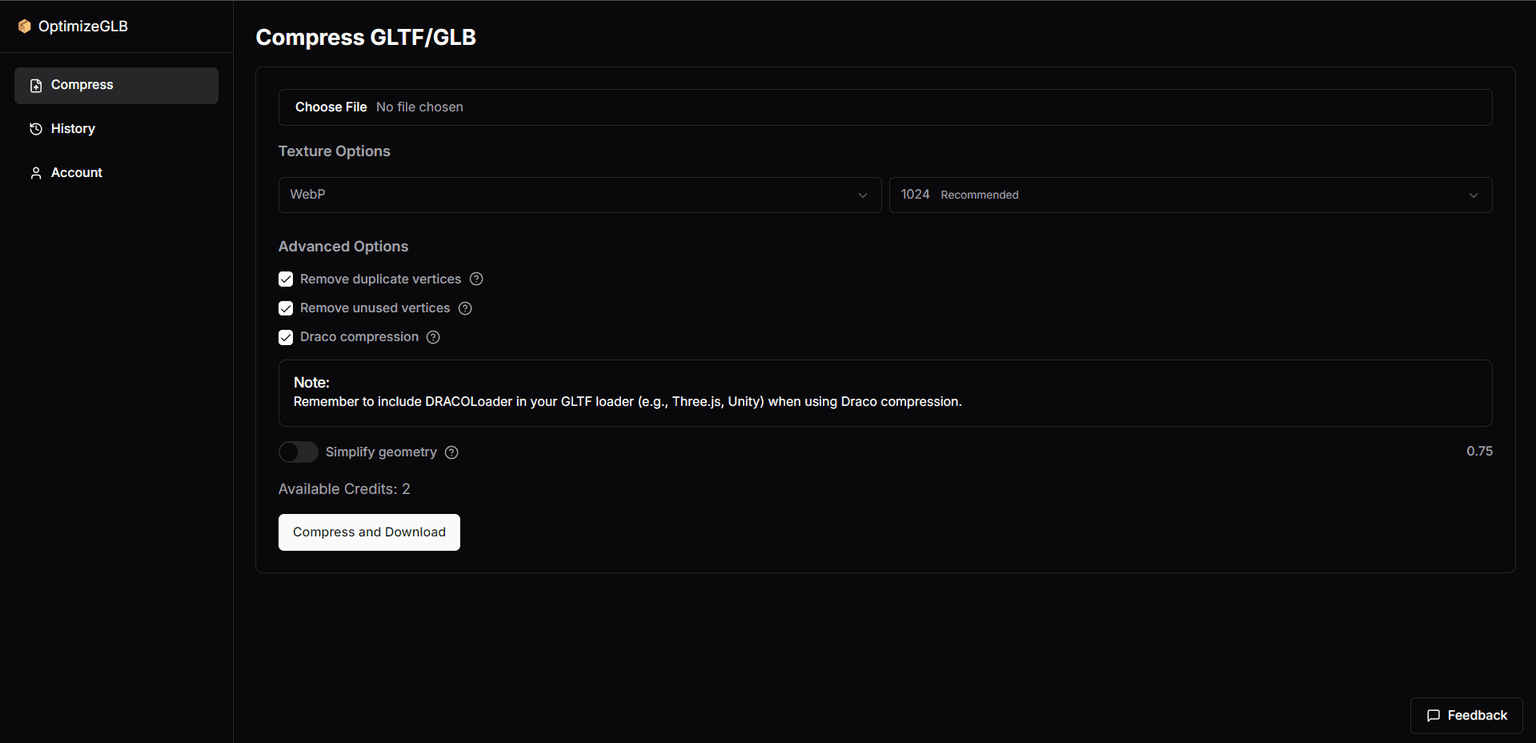
Online tool to compress and optimize .GLB and .GLTF 3D models for faster load times
Read the analysis →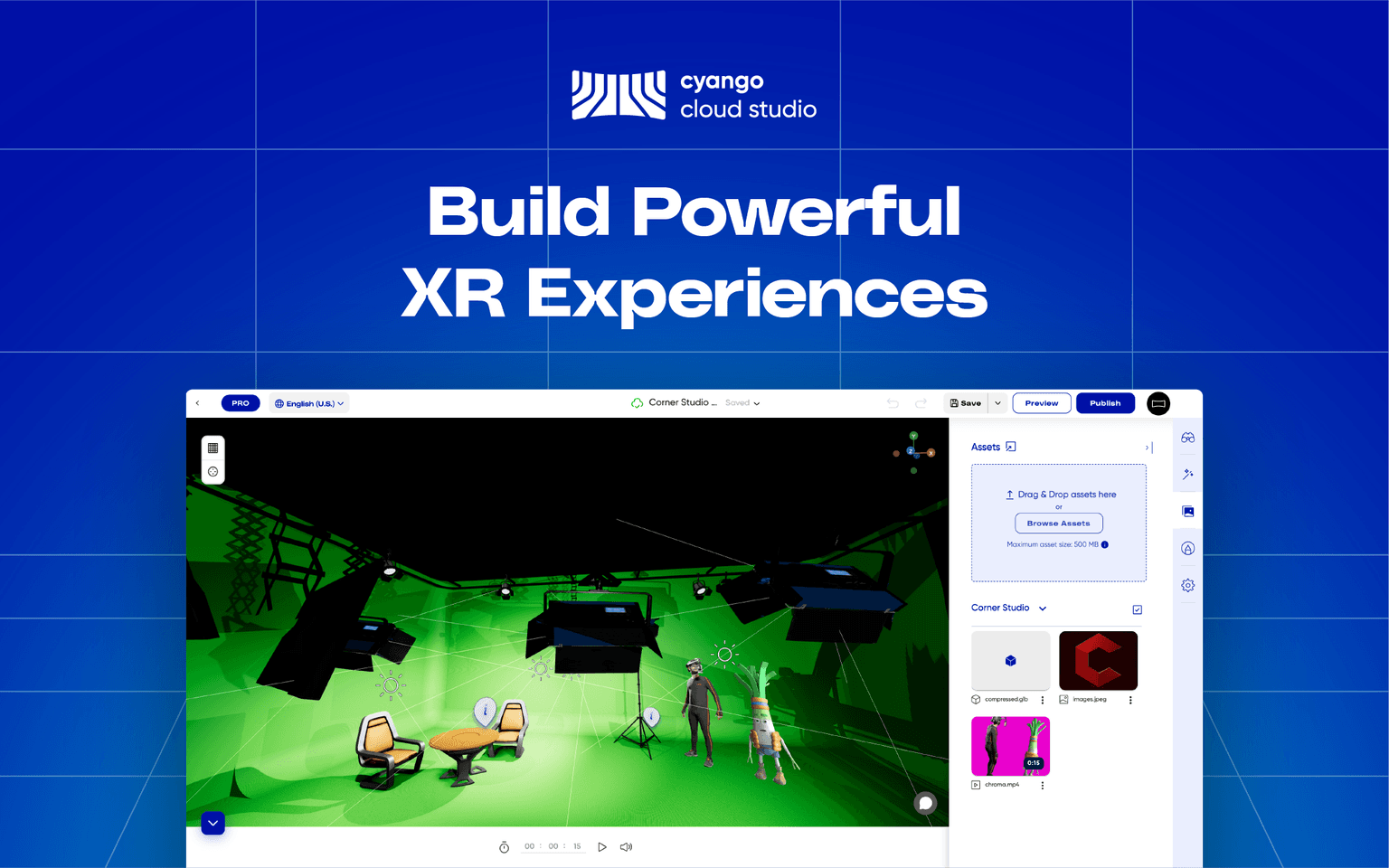
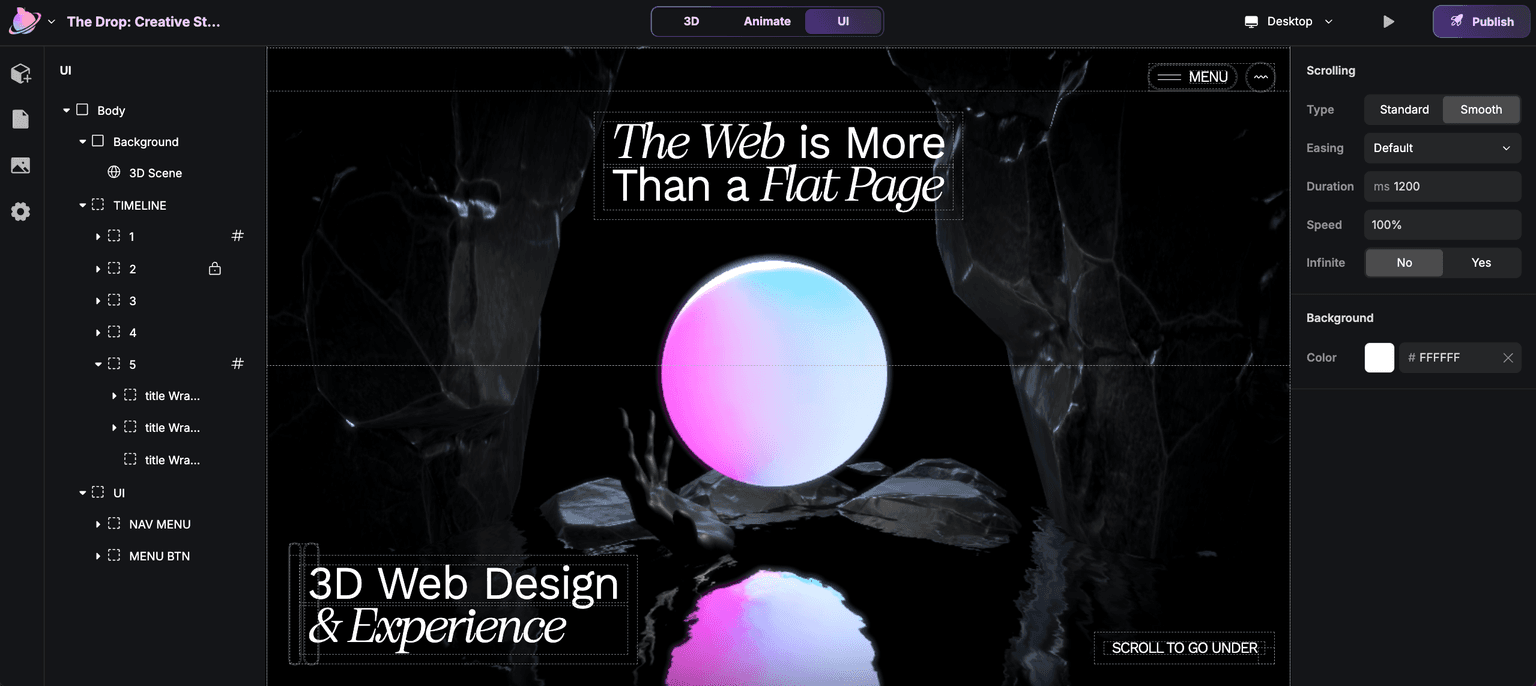
All-in-one Experiences Builder. From 2D to 3D, you can build and export full mobile and web apps.
Read the analysis →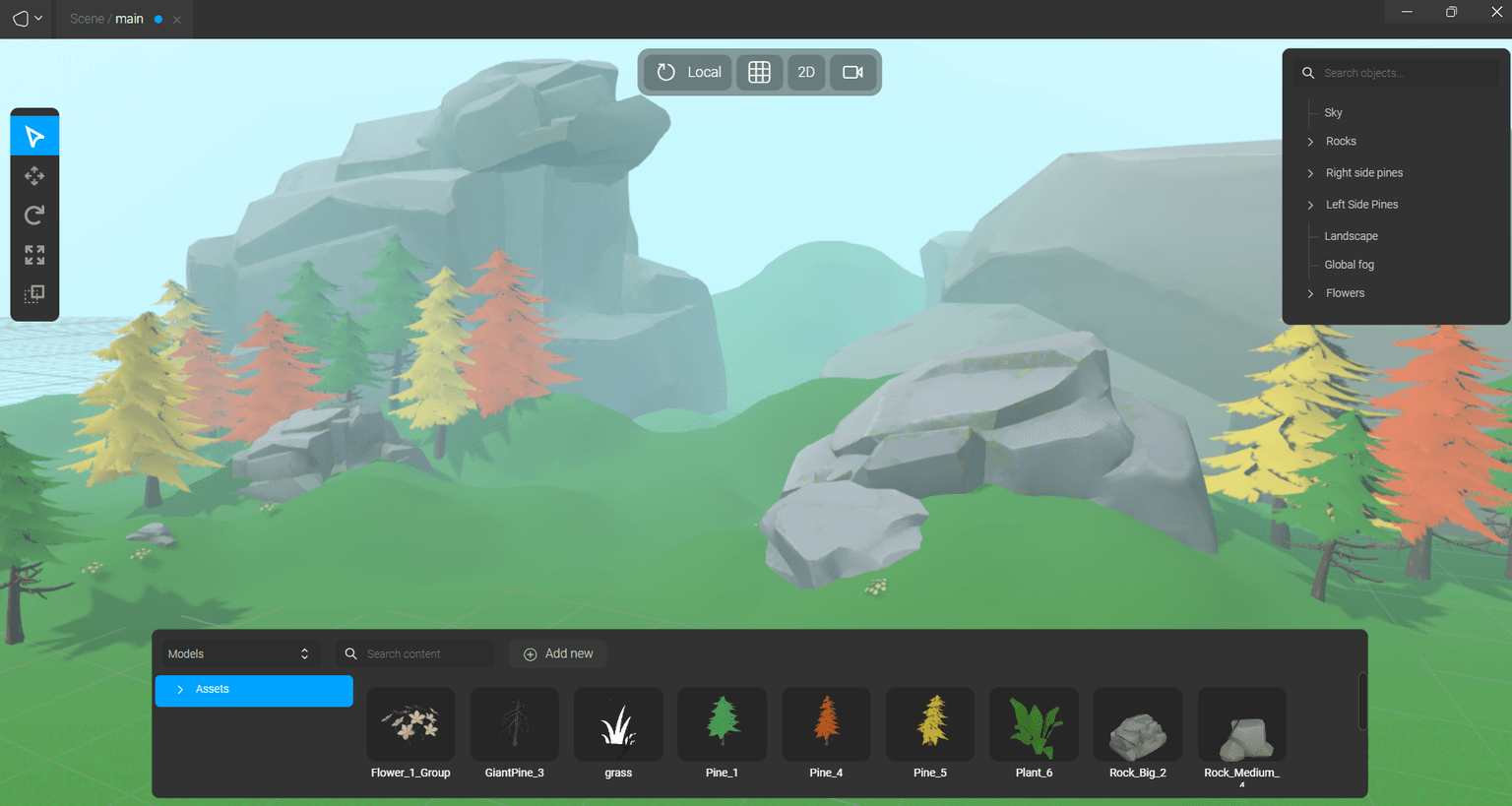
Create 3D games and experiences for web, mobile and VR by using web technologies with Hology Engine.
Read the analysis →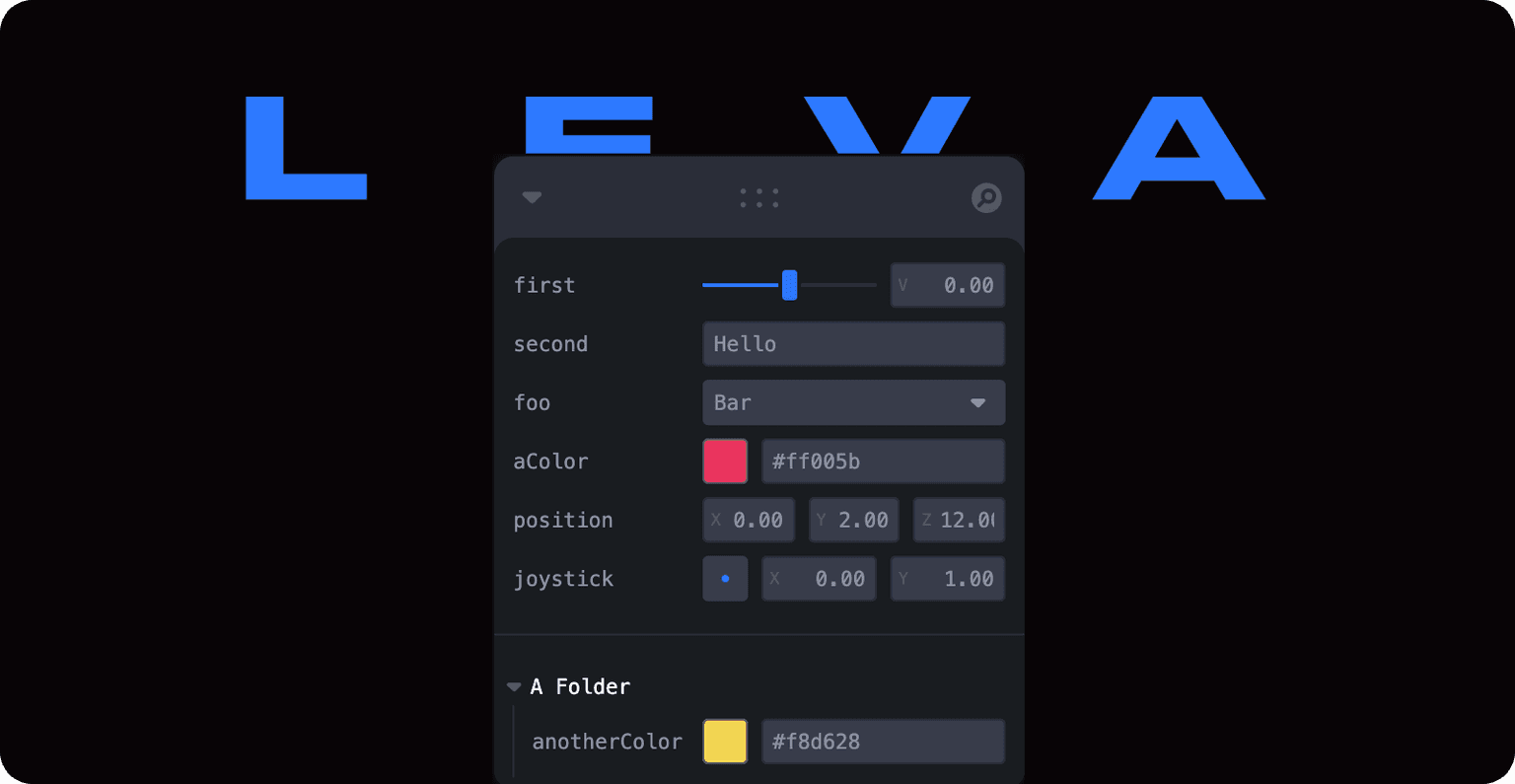
Leva is a GUI library for creating intuitive controls in three.js resources and web projects.
Read the analysis →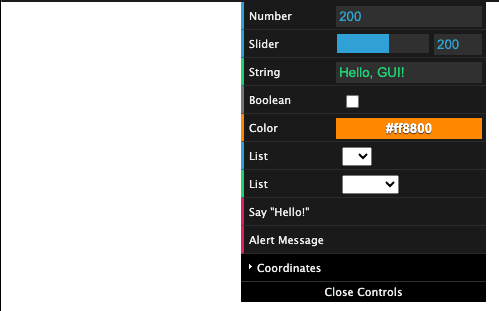
dat.GUI is a lightweight controller library for real-time adjustments in three.js resources.
Read the analysis →
Learn TSL by building real effects — not by reading theory.
Not a typical beginner-to-advanced course. Each lesson teaches one concept through a visual effect you can actually use — marble, hologram, GPU particles, glass, dissolve. You understand it because you built it.
Maintenance. Look at the date of the last release, not the star count. A tool that tracks Three.js releases will save you a migration later; one that does not will eventually pin you to an old revision.
Weight. Check what it adds to the bundle and what it does at runtime. In 3D, the runtime cost usually matters more than the download, because a library that adds draw calls costs frames on every device.
Renderer support. Anything that writes GLSL directly needs a WebGPU path before it works on WebGPURenderer. Libraries that only touch the scene graph work on either.
Licence. Most of the ecosystem is MIT, but not all of it, and asset libraries in particular often are not. Each tool page states it.
F.A.Q
What people ask about tools & extensions tools for Three.js.
What separates them.
Three things, in this order: whether it is still maintained against current Three.js releases, what it costs you in bundle size and runtime, and whether it composes with the rest of your stack rather than taking it over. A library that solves the problem but has not shipped in two years will cost you more than it saves.
Most of the Three.js ecosystem is open source and free for commercial use, usually under MIT. Some specialised tools and asset libraries are paid or have a paid tier. Each tool page states the licence, so check there before committing to one.
R3F, WebGPU and this ranking.
Almost all of them. React Three Fiber creates real Three.js objects underneath, so any library that operates on those objects works, either directly or wrapped in a small hook or component. Drei already wraps many of the common ones.
It varies, and it is worth checking before you commit. Libraries that only touch the scene graph work on either renderer. Anything that writes GLSL directly or reaches into WebGL internals needs a WebGPU path, which not every project has added yet.
It is editorial rather than automated: maintenance, real production use, documentation quality and how well each tool plays with the rest of a Three.js project. It is reviewed as the ecosystem moves, so a tool can drop off when it stops being maintained.
Know a tools & extensions tool that belongs here?
Submit it to the directory. Every submission is reviewed before it appears.